











Driving Growth for Mid-Market & Enterprise Ecommerce Brands




Clients
BenEfits
Engage audiences looking for solutions, products, and services online and ready for conversion.
Become the trusted voice customers turn to before they choose the competition.
Identify and follow up on leads at the start of the buying process.
Convert content into measurable pipeline, leads, and sales.
Extend reach on search engines, social media, AI applications, and industry channels.
Develop experiences on content that prompt action, loyalty, and quality interactions.
Case studies
Objective
To dominate Black Friday organic search by doubling sessions and revenue while securing a top-three Google ranking for “Black Friday.”
Challenges
– Extremely high competition for the “Black Friday” keyword
– Low visibility in rich results and featured snippets
Solutions
– Built research-led Black Friday content optimized for Featured Snippets and FAQs
– Strengthened internal linking and crawl priority through smart URL targeting
Results
increase in organic Black Friday revenue
Objective
To scale organic visibility globally, drive high-quality leads, and accelerate user acquisition across key international markets.
Challenges
– Duplicate content impacting indexing and rankings
– Poor site architecture limiting crawlability
– Declining search demand for core social media keywords
Solutions
– Built a geo-focused SEO framework with region-specific microsites
– Implemented hreflang, technical SEO fixes, and intent-led content optimization
– Launched a knowledge hub to capture top-of-funnel global demand
Results
increase in organic users across global markets
Objective
To expand visibility beyond traditional SEO by establishing strong discoverability across AI-led platforms like ChatGPT, Gemini, Perplexity, and Google AI Overviews across MENA markets.
Challenges
– Shallow, transactional content limiting AI authority signals
– Weak schema, internal linking, and entity-based structure
– Fragmented content not aligned with regional or multilingual intent
Solutions
– Built entity-driven content hubs and AI-optimized category pages
– Implemented semantic clustering and conversational query optimization
– Strengthened technical SEO for AI readability and faster indexing
Results
Objective
To increase qualified organic leads, improve conversion rates, and significantly reduce organic cost per lead across desktop and mobile.
Challenges
– High organic CPL with low conversion efficiency
– UX, technical, and intent misalignment across high-traffic pages
Solutions
– Implemented user-first CRO with intent-driven SEO and refined lead qualification
– Fixed technical gaps and optimized UI/UX using behavioral and analytics insights
Results
Objective
To improve conversion efficiency by turning existing website traffic into qualified insurance leads through focused CRO and UX enhancements.
Challenges
– Low session-to-conversion ratio despite strong organic traffic
– User friction across key pages impacting inquiry submissions
– Ineffective CTA visibility during critical decision moments
Solutions
– Conducted a detailed CRO audit to identify and fix friction points
– Improved UI and on-site user flow to reduce drop-offs
– Placed intent-driven CTAs across high-impact insurance pages
Results
Improvement in Conversion Rate on AMP (Accelerated Mobile Pages)
Objective
To increase app store keyword visibility, drive high-intent non-branded traffic, and improve app performance across the Play Store and App Store.
Challenges
– Intense competition from established financial apps
– Low visibility for high-intent, non-branded keywords
Solutions
– Executed a full-funnel ASO strategy covering keywords, visuals, reviews, and UX
– Improved app stability and metadata via Android Vitals
Results
Challenges
It’s because it is centered on what the business wishes to communicate, not what the audience is asking. The key to effective content is to know what questions customers ask, what problems customers have, what motivates customers, and how customers behave when they purchase. Regardless of quality, engagement will stay low if the content fails to meet real needs and/or search intent. Great content marketing services prioritize audience research over content creation.
People in the audience behave in constantly changing ways. Platforms change, algorithms change, and content formats don’t always work in the long run. A year ago, it may have been a different thing that was effective, but it is not now. When engagement rates drop, it is an obvious sign that content distribution, messaging, or the format must change. Frequently checking performance and adapting to audience preferences means keeping audiences engaged and visible via channels, which can be achieved through SEO audit services.
Conversion content not only informs, it also leads to a conversion. That means having clear messaging and value propositions, establishing trust signals, and providing logical next steps. All content should solve a problem and help the reader take action. A strategic content marketing service is a content marketing service that focuses on aligning content topics with business goals to ensure that traffic is translated into leads, opportunities, and revenue, and not vanity metrics.
Writing doesn’t improve visibility if it’s not of high quality. The topical authority, relevance, internal linking, user experience, content structure, and technical performance are also considered by search engines. If they don’t understand or pick up on the content, even exceptional content can struggle. That is why SEO content marketing services integrate content with SEO optimization techniques that enhance discoverability and search performance.
Content is easier to be consistent if it is based on a documented strategy, rather than individual ideas. Organizing topics, utilizing an editorial calendar, and reusing content can provide a sustainable workflow. If companies view content as an asset and not a campaign, they can achieve better results while maintaining quality and publishing consistency.
Competitors aren’t really competing against the same content in most cases. They might be more influential, be more widely distributed, cover more topics, or be more effective in promoting the content. The whole ecosystem around content is also a part of the search engine evaluation. It can be understood that similar topics can generate different results in competing websites, due to stronger backlinks, more engagement, and other supporting resources.
Consistency, expertise, and depth are the key elements of E-E-A-T for building authority. When businesses become authorities or trusted sources of answers within an industry, they gain influence. Original Viewpoints, Comprehensive Coverage, and Real Expertise = Long-Term Authority. Especially for SEO partners that offer B2B content marketing services, trust and expertise are significant factors to focus on in a customer’s purchase decision.
Each platform has its own users and consumption habits. The content that is successful on search will be different in social, email, and video. A cross-channel strategy must be prepared to modify messages and formats while keeping the core message the same. Technical factors are also important even if users find your content from a different source, good site performance, backed up by a quality mobile SEO service, will provide them with a positive experience.
Process
Content marketing doesn’t begin when you pen the first article; it begins before that. The bedrock of any successful strategy is knowing the business’s goals very clearly. Some organizations take a priority on organic traffic growth, others on lead generation, brand awareness, customer education, or revenue growth. Content can do all the work in making people active without delivering any meaningful business impact when there are no clear objectives.
The aim of the goal-setting phase is that your content may realize measurable results that correspond to your business objectives. This involves defining target audiences, key performance indicators, and customer journeys, as well as how content will address wider marketing and business goals. It also aids in the creation of realistic time frames and success indicators.
An effective strategy guarantees that each content asset is utilized for a purpose. Instead of just producing content to keep the blog alive, businesses can prioritize content production that directly affects their growth goals. It fosters greater accountability, better allocation of resources, and a more direct route to achieving results. If content is aligned with business objectives from the beginning, it is not a marketing tool but a business growth asset.
A key step in achieving good content performance is understanding the actual search intent and motivations of the audience. Keyword and topic research can identify the questions, challenges, interests, and purchase considerations that impact customers at every stage of the purchase process.
Identifying high-volume search terms is only a small step in the process. It requires studying the intent of the searcher, the relevance of the topics, opportunities for competition, and new trends to determine where there is value in demand.
However, changing search habits is another factor that should be incorporated into modern content strategies. In the era of AI-driven discovery, topic research is gaining significance and plays a crucial role in supporting a broader range of visibility efforts, including LLM SEO services and AI SEO services, which enable businesses to produce content that resonates with both human and AI-generated search queries.
What you end up with is a prioritized content opportunity map, based on audience needs and business relevance. Knowing what users are looking for and how they look for information allows businesses to create material that resonates with their target audience and contributes to their long-term prospects for authority and development.
Reliable content growth isn’t driven by accident and is far more than a stroke of good fortune. It takes a plan with a structure that integrates business priorities, audience needs, search opportunities, and publishing capacity. Content strategy and calendar planning are the glue that connects pieces of content to make it a growth engine.
It also involves prioritization of topics, mapping the content to the customer’s buying stages, deciding on the format of the content, and planning the publishing of the content in a realistic manner. The goal is to ensure that the content is created for both short-term and long-term authority building, not just for traffic.
This strategic planning also helps in aligning the efforts of content, SEO, sales, and marketing in general. Websites move from a reactive approach to an intentional approach of publishing, and over time businesses can build momentum on the key topic areas.
It is a good tool for organizations that are looking for sustainable growth to enable consistency and accountability across departments. Rather than simply publishing what would seem the “next big thing,” teams can have some long-term plans that optimize visibility, engagement, lead generation, and business growth.
Producing content is just one part of the process. In order to have an impact, the content needs to be relevant to readers, meet search intent, and serve a business goal. Through our content creation process, we consider the audience, adhere to SEO best practices, and uphold editorial standards to yield content that is discoverable and has a high engagement rate.
All assets are created to be clear, relevant, accurate, and user-friendly. Topics covered comprehensively, readable, and in line with brand voice. In addition to content creation, a thorough editorial process guarantees the factual correctness, consistency, quality assurance, and readiness to perform before content is published.
We are a specialized content marketing services agency, so we are dedicated to creating resources that help build authority over time, not traffic boosts. This may also involve incorporating lessons learned from the overall content marketing services strategy to guarantee that each piece of material will enhance larger business targets.
This means content that’s trusted, visible, informative, and can help customers make better decisions, and that builds a base for a future-growth strategy on various digital channels.
Content publishing isn’t just about getting it up on a website! Content needs to be organized, linked, and optimized so it is both discoverable and usable to produce meaningful outcomes. Great content can fail to perform well if search engines don’t understand the context of the content, or users don’t know how to get to related content.
This stage is about honing titles, metadata, headers, content structure, readability, and engagement features before publishing. Then, strategic internal linking is employed to link related pages, share authority, and direct traffic to high-value pages and pages designed for conversion. These relationships create better connections and help search engines to better understand the topical relationship and enhance users’ journeys.
It is not just that content optimization aids in broader growth initiatives. Link building service in this regard may be a good example of strategic linking, which can enhance authority signals in the pages that are important on the site. For instance, strategic linking could be a useful instance of a link building strategy to boost authority signals over time to important pages on the site.
The performance of content should be judged based on business results, not on the quantity of publications. Reporting gives businesses visibility on the impact of content on rankings, traffic, engagement, lead generation, and revenue growth, and helps them understand which are working and which are not.
We track key performance indicators such as organic visibility, user behavior, content engagement, conversions, assisted revenue, and topic-level performance. The goal is not just to display data, but to find out what it means and how it will help inform decision-making and optimization efforts.
Performance analysis also provides insight into which content assets need further investment and what needs to be improved. This can provide insights to enhance conversion paths and implement a complementary CRO service strategy to maximize both traffic measures and measurable outcomes for the business.
This leaves a clear picture of what is going well, what needs some effort to get better, and what areas are ripe for new development opportunities. Good reporting makes content marketing a growth function that can be measured and continually enhanced based on sound decision-making.
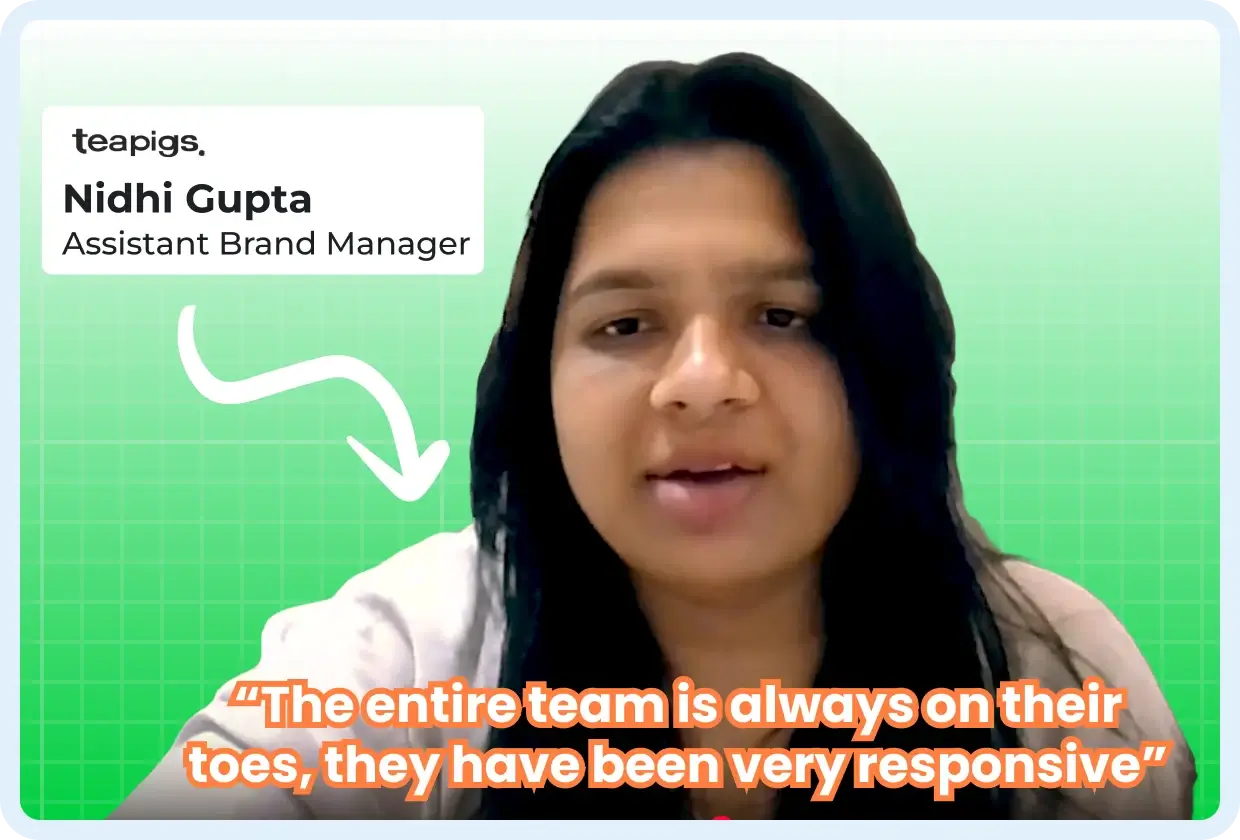
Testimonials
Why Us?

The key to growth is to be found where customers are looking. Our content strategies are designed to leverage user behavior, search intent, and business goals to help brands reach their target market on search engines, social media, AI-powered discovery channels, and industry publications. It results in wider visibility and more relevant traffic, not just random browsers.

Many brands sound similar in terms of their message and brand. We strive to create a unique, authoritative tone that will be consistent and aligned with the brand’s values and positioning in the market in all content assets. This boosts recognition, builds trust, and increases differentiation – particularly in competitive industries where authority can be a better motivator for purchase than features or price.

Content that is based on real industry knowledge is more effective than generic writing. Our teams span a variety of industries, and this enables us to develop content that speaks directly to customer questions, market challenges, and decision factors. This level of insight enables brands to share and publish insights with audiences that will help build their perceived expertise over time.

Content is not just a publishing asset; it’s a growth process. All strategies are aimed at increasing visibility, and enhancing the high-intent traffic, and making clear paths to conversion. Our content optimization optimizes content for search intent, search demand, and business goals, creating more relevant, more engaged, and more likely-to-convert leads for brands.
Plans
Startups Business
Your Growth Toolkit
Small-Market Businesses, Competitive Niches
Your Growth Toolkit
Mid-Market Businesses, Competitive Niches
Your Growth Toolkit
Enterprise, Large E-commerce, Site Migrations
Your Growth Toolkit
Industry
Platforms


Solutions
Drive sustainable traffic and revenue growth
Optimize visibility across AI search engines
Future-proof search strategy with AI
Scale product visibility and online revenue
Turn visitors into measurable revenue growth
Increase app visibility and install growth
Dominate local search and nearby customers
Authoritative backlinks that boost search rankings
Scalable SEO solutions for large organizations
Build websites that improve engagement
Find and fix issues affecting search visibility
Drive organic growth with strategic content

Growth Manager - Superbalist
SEo Growth
Content marketing is no longer about blogs and social media. It has become a key factor in customer brand discovery, solution assessment, trust, and purchase today. Regardless of how they discover your business on search engines, AI-powered platforms, social media, or industry publications, content is often the first time the public will interact with your brand.
The businesses that continually thrive online are the ones that give consumers valuable information before asking them to buy. Quality content can be used to address customer inquiries, build credibility, gain visibility, and engage prospects all the way through the sales cycle. It builds a compounding asset that keeps bringing people to you, leads, etc., and builds authority beyond the original publishing.
Content also supports all other digital marketing efforts. It benefits SEO, conversion rates, social media engagement, e-mail marketing, and provides sales teams with resources to educate prospective customers. With content no longer as an isolated strategy, successful brands leverage it as a growth engine that aligns awareness, engagement and revenue objectives.
Content strategy for blog posts to improve organic visibility, respond to customer inquiries, and establish topical knowledge.
Website copy that is compelling enough to convey value, enhance the user experience, and drive conversions.
Content that focuses on search, high intent, builds authority, and has the potential for long-term organic growth.
Content designed for decision-makers that is educational, builds credibility, and supports complex buyers’ journeys.
Content strategies for products that make content more discoverable, assist in purchase decisions, and can sell online.
Content designed for your audience that builds relationships, promotes engagement, and stays on their mind.
Content assets that are visually appealing, easy to digest, and engaging on many platforms.
App descriptions are a key component in encouraging downloads, engagement, and user trust. From app stores to digital marketplaces, users often act within a few seconds of seeing how the app explains its value.
In addition to these formats, there are other types of content strategies such as landing pages, service pages, thought leadership articles, product descriptions, industry reports, case studies, buying guides, FAQs, and AI-optimized content for emerging search experiences.
The best content goes beyond driving traffic to fostering trust and shaping decisions, and delivering tangible business results. If all content assets are designed around customer intent and business goals, content is one of the most cost-effective and sustainable investments a brand can make, and it is scalable!
AI tools








Growth Manager - Superbalist
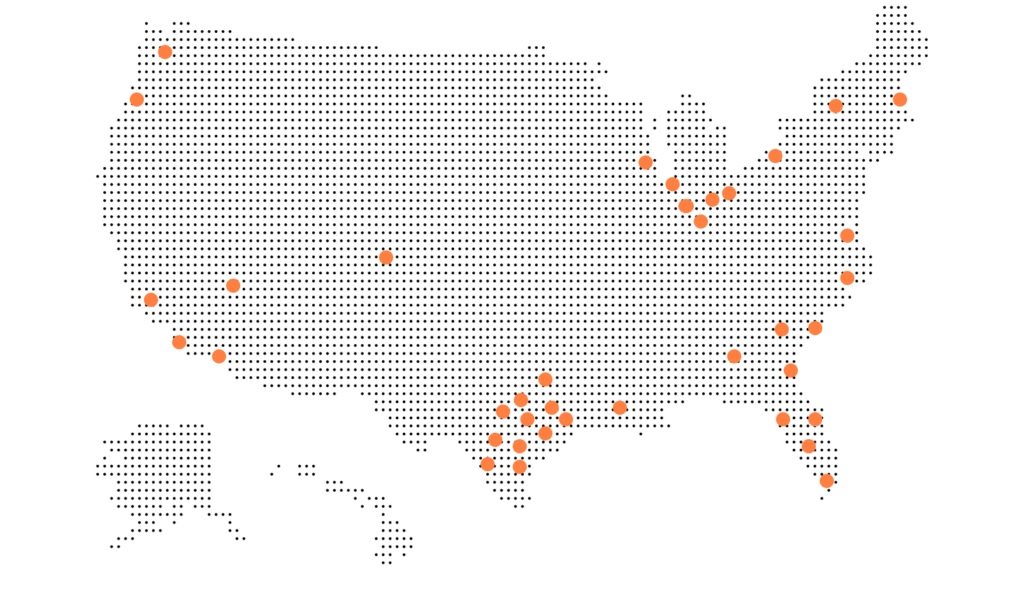
Locations
FAQ’s
Content marketing services are focused on planning, creation, optimization, and dissemination of content that is designed to captivate the correct viewers, establish trust, and drive business development. This can include blogs, website content, landing pages, thought leadership, videos, emails, and SEO targeted content.
Yes. Well-organized, high-quality content enables AI tools such as ChatGPT, Gemini, and Google AI Overviews to comprehend and cite your brand. Citations are more likely to be included in AI-generated answers if the text is well-organized and has strong topical authority.
A good content marketing campaign brings in the right people, moves the buyer’s journey forward, and leads to a conversion. Over time, it generates a long-lasting stream of organic leads and traffic, which helps businesses make money without just depending on paid ads.
Both. We craft content strategies in line with business objectives and work them out by creating content, optimizing, publishing, and measuring content performance to ensure content supports measurable business growth.
Early improvements are seen by most businesses within three to six months. The improvements in rankings, traffic, authority, and lead generation usually take months to materialize, and can be substantial, with 6 to 12 months being the standard timeframe for progress to be noticeable.
Absolutely. While creating original content is important, it is also possible to improve existing content by incorporating new information, optimizing keyword usage, refining the structure, improving internal linking, and aligning with search intent, thereby enhancing its performance without completely rewriting.
Content performance metrics include rankings, organic traffic, engagement metrics, lead generation, conversions, assisted revenue, and content visibility on search and AI-driven discovery platforms.
To ensure consistency in the voice of all your content assets, we study your brand positioning, your audience, and your communication style. The endgame is to preserve authenticity while enhancing the authority and trust of the audience.
Topics are chosen based on the audience’s needs, search queries, business relevance, competition potential, and conversion potential. We work on material that is not only visible but also of value for the business.
A content strategy is a clearly defined plan that decides what content to make, who it is going to be made for, and how it will be used to meet business objectives. Combined with SEO, it enhances visibility, authority, and sustainable organic growth.