







Driving Growth for Mid-Market & Enterprise Ecommerce Brands




Clients
BenEfits
Trust transfers. When a respected site links to you, some of its credibility comes along.
Quality beats quantity, decisively. A hundred weak links won't match one from a real authority.
Your name reaches people who've never heard of you once a relevant blog features you.
Notice how a referral from a trusted blog just converts better? That's not a coincidence.
No link building services, no real climb. Strong on-page content only gets you partway there.
One mention in the right place can do more than months of content nobody reads.
Case studies
Objective
To dominate Black Friday organic search by doubling sessions and revenue while securing a top-three Google ranking for “Black Friday.”
Challenges
– Extremely high competition for the “Black Friday” keyword
– Low visibility in rich results and featured snippets
Solutions
– Built research-led Black Friday content optimized for Featured Snippets and FAQs
– Strengthened internal linking and crawl priority through smart URL targeting
Results
Increase in organic Black Friday revenue
Growth in organic sessions vs previous year
Ranking on Google
throughout Black Friday week
Objective
To scale organic visibility globally, drive high-quality leads, and accelerate user acquisition across key international markets.
Challenges
– Duplicate content impacting indexing and rankings
– Poor site architecture limiting crawlability
– Declining search demand for core social media keywords
Solutions
– Built a geo-focused SEO framework with region-specific microsites
– Implemented hreflang, technical SEO fixes, and intent-led content optimization
– Launched a knowledge hub to capture top-of-funnel global demand
Results
Increase in organic sessions
Growth in organic leads
Increase in organic users across global markets
Objective
To increase qualified organic leads, improve conversion rates, and significantly reduce organic cost per lead across desktop and mobile.
Challenges
– High organic CPL with low conversion efficiency
– UX, technical, and intent misalignment across high-traffic pages
Solutions
– Implemented user-first CRO with intent-driven SEO and refined lead qualification
– Fixed technical gaps and optimized UI/UX using behavioral and analytics insights
Results
Reduction in optimized organic CPL
Increase in overall organic conversion rate
Growth in desktop organic lead goals
Objective
To accelerate organic revenue and traffic while dominating high-intent fashion keywords.
Challenges
– Duplicate and unstructured URLs causing keyword cannibalization
– Complex site architecture limiting crawl efficiency
– Content gaps across high-intent category pages
Solutions
– Optimized category URLs with clean structure and 301 redirects
– Strengthened on-page SEO with targeted content and metadata optimization
– Built a strategic internal linking and footer structure to improve crawlability
Results
Increase in organic keyword rankings
Improvement in Organic Keyword Rankings
Improvement in Internal Links
Objective
To accelerate organic revenue and traffic while dominating high-intent fashion keywords.
Challenges
– Sharp decline in search demand during COVID
– Highly competitive fashion keywords at scale
– Managing SEO across millions of dynamic pages
Solutions
– Adopted a microsite-style SEO strategy to optimize categories at scale
– Executed deep technical SEO fixes across millions of pages
– Strengthened contextual internal linking to boost crawlability and rankings
Results
Increase in Organic Visits
Increase in Organic Revenue
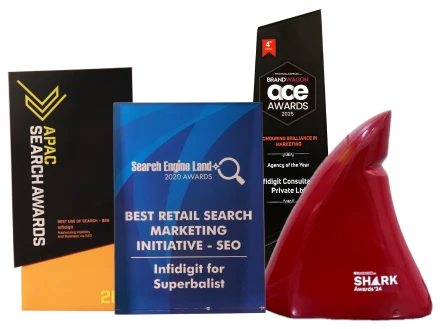
Awards Won
Challenges
Links purchased purely to manipulate rankings, regardless of how naturally they’re disguised, carry real risk once Google’s algorithms or manual reviewers catch on.
Guest posts, HARO responses, and resource page mentions all sit comfortably within guidelines when the content actually earns its place rather than existing purely as a link vehicle. Paid placements without disclosure, private blog networks, and link schemes built purely for manipulation are where businesses run into trouble.
The safest approach treats every link as something that should exist even if it carries no SEO value at all, useful to a reader, not just a search engine.
Competitor backlink profiles are the place to start. Seeing which sites already link to competitors in your space reveals real, proven opportunities rather than a cold outreach list built on guesswork, and the right tools turn hours of manual searching into a focused, prioritized target list.
Industry publications, resource pages, and roundup posts specific to your niche tend to convert better than generic, high-authority sites with no topical connection to what you actually do. A mention on a site your actual customers read carries more real influence than a bigger but irrelevant domain ever could.
First, identify what’s actually toxic. Not every low-quality link is dangerous; Google’s algorithms are generally good at ignoring genuinely irrelevant noise on their own. A full audit distinguishes links that are actively hurting rankings from the harmless clutter every established site accumulates over time.
For links causing real damage, the first step is to reach out to the site owner requesting removal, followed by Google’s disavow tool for links that can’t be removed directly through a request. This process requires patience; recovery from a genuine link-based penalty doesn’t happen overnight, regardless of how thorough the initial cleanup was.
Systematizing the process, without turning it into a numbers game, is the real challenge here. A repeatable outreach process, templates the team still personalizes individually, and a growing list of vetted publications all make scaling possible without quietly sacrificing the standards that made early links actually work.
Content assets that naturally attract links, like original research, comprehensive guides, and useful tools, scale far more efficiently than one-off outreach ever could. Quality control matters even more at scale. A dedicated review step before any link goes live prevents the kind of link-quality drift that happens quietly when volume becomes the priority and standards slip without anyone quite deciding to lower them.
Original research and data-led stories earn coverage here; journalists and publications need something genuinely newsworthy to write about. A well-designed survey or a data analysis unique to your industry gives media outlets a valid reason to cite your business as the source.
HARO and similar platforms connect businesses directly with journalists actively seeking expert quotes and commentary on relevant topics, though response speed and genuine relevance to the specific question matter enormously for actually landing the placement.
Building relationships with journalists covering your industry, rather than only reaching out when you need something, tends to produce far more consistent, higher-quality digital PR results over time.
Website redesigns and content updates are the most common cause; a business restructures or removes a page entirely.
Sites shut down, change ownership, or clean up their own outbound links periodically too, sometimes removing links that no longer feel relevant to their current content strategy. Sometimes it’s an algorithm update that prompts the change, or a site reassessing its own linking practices and dropping something that suddenly looks questionable in hindsight.
Regular link monitoring catches this kind of natural attrition early, flagging opportunities to reclaim or replace lost links before they meaningfully impact rankings.
Natural link profiles include a healthy mix of editorial mentions, directory listings, guest posts, social shares, and resource page links, rather than an unnaturally uniform pattern that looks manufactured to anyone actually reviewing it closely. Diversity in anchor text matters just as much as diversity in link source.
Overusing exact-match anchor text repeatedly is one of the more common red flags here, since a natural link profile includes branded anchors, generic phrases, and naked URLs alongside targeted keyword anchors, not an unnatural concentration of the same phrase across every single link.
Track rankings for the specific target keywords tied to pages that actually received new links, not the site’s rankings broadly. Referring domain growth tells a similar story: ten links from genuinely new, relevant domains typically outweigh fifty more from sites already linking to you.
Domain authority metrics offer a useful directional signal too, though they matter far less than actual ranking and traffic movement in the searches that matter.
For any link building service, correlating link acquisition timing with ranking changes over several months typically reveals genuine impact more reliably than a single-month snapshot ever could.
Process
What does the current backlink profile actually look like? That’s where every link building services engagement starts, not assumptions about what might be there. The audit catalogs and evaluates every existing link for quality, relevance, and risk, separating genuinely valuable links from ones quietly doing nothing, or worse, actively causing harm.
As part of this same SEO audit service, the process flags toxic and spammy links specifically, since these can quietly suppress rankings if left unaddressed, sometimes for years without anyone realizing why growth has stalled. Anchor text distribution gets a look too, checking for the kind of unnatural over-optimization patterns that can trigger algorithmic scrutiny.
Competitor link gaps get identified during this same audit, revealing where competitors have earned links that this specific site hasn’t yet, and where a genuine, achievable opportunity actually exists. This audit becomes the strategic foundation every later outreach decision gets measured against, rather than a formality completed before the real work begins.
This phase analyzes top-ranking competitors specifically for where their authority actually comes from, not just how many links they have in total. A competitor with fewer, higher-quality links from genuinely relevant sources often outranks one with a larger but weaker link profile.
Link gaps get mapped directly from this analysis, surfacing sites that link to multiple competitors but not yet to this business, exactly the kind of opportunity that tends to convert at a meaningfully higher rate than cold outreach to unfamiliar sites. What competitors published that actually earned links often surfaces here too, and that insight shapes future content decisions.
This same research identifies industry-specific directories, associations, and publications too. These sources carry outsized relevance weight for a specific niche that generic high-authority sites simply can’t replicate, regardless of their raw domain metrics, which is exactly what separates a genuine link building agency from one running the same generic outreach playbook across every single client.
Genuine topical fit and real audience overlap decide which publications and blogs get targeted, not raw domain authority numbers pulled from a tool. A smaller, highly relevant site often delivers more real value than a larger, disconnected one with no actual audience relevance.
The team personalizes each pitch specifically for its publication, referencing their actual content and audience rather than a templated email blasted to a hundred sites simultaneously and ignored by most of them. A carefully designed content marketing service shapes every guest post around genuine value for that specific publication’s readers, not just a vehicle for a single outbound link.
Relationships get built over time with the editors and writers at target publications, since a business known and trusted by a publication consistently earns easier placement than one cold-emailing for the first time with every single pitch, regardless of how well-crafted that first message actually is, or how impressive the pitch itself might look on paper.
Finding broken links on relevant, high-authority resource pages surfaces genuine opportunities where a site owner already wants to fix something, rather than being asked for an unprompted favor. That single shift makes the entire outreach conversation easier from the very first message.
The team creates or identifies a replacement specifically to fill the gap that the broken links left behind, so the recommendation actually makes contextual sense rather than reading like an opportunistic link grab. Resource pages get targeted separately too, since these exist specifically to link out to useful content, which makes them naturally receptive to a genuinely well-matched pitch.
Genuine helpfulness comes first in this kind of outreach. The broken link is the actual value being delivered; the link request is just a natural, secondary byproduct of that help, not the primary ask. That distinction is what separates a thoughtful SEO service relationship from a transactional one focused purely on link volume.
Response speed matters enormously with HARO queries, monitored daily here, since journalists typically work against tight deadlines and go with whoever responds first with genuinely useful, well-formed commentary. The team crafts every response to be quote-ready and directly useful to the journalist’s actual story, not a vague, generic pitch about the business.
Original research, unique data, and expert commentary on current events are what give digital PR campaigns a genuinely newsworthy angle, the kind that gives media outlets an actual reason to cover the story rather than treating it as a paid placement. Press releases and pitches go to relevant journalists and publications specifically, never blasted indiscriminately to an enormous generic media list with no real targeting logic behind it.
The combined result: high-authority, genuinely editorial links that pure outreach alone often struggles to consistently secure, particularly in highly competitive categories where cold pitches rarely stand out on their own.
Industry associations, directories, and niche publications specific to a business’s actual sector earn priority here, since these sources carry outsized relevance and trust signals that generic, high-authority sites from unrelated industries simply cannot replicate, no matter how strong their domain metrics look.
Genuine sponsorships, partnerships, and community involvement within the industry all create natural link opportunities too, ones that reflect real business relationships rather than a link purely engineered for search engine benefit. For businesses serving a defined geographic area or a genuinely narrow niche, local and vertical-specific link building services get weighted heavily.
Topical authority builds from this kind of targeted approach in a way that generic, broad-based link building alone rarely achieves, since search engines increasingly weigh relevance and topical context alongside raw authority. SEO link building services done well treat niche relevance as a strategic priority, not an afterthought layered onto a generic campaign built for any industry.
This process tracks new and lost links continuously as part of any thorough link building services engagement, not reviewed only during a periodic audit, since link profiles shift constantly as sites redesign, remove content, or simply change their outbound linking decisions over time. Toxic link monitoring runs alongside this same tracking, catching problematic links before they meaningfully accumulate into a genuine ranking risk.
Anchor text distribution gets reviewed on an ongoing basis too, ensuring the profile continues looking naturally diverse rather than drifting toward an unnaturally concentrated pattern over months of accumulated link building activity. This work increasingly extends to how link signals support broader AI visibility too, since consistent entity authority depends on the same underlying signals strong backlinks help establish in the first place.
Reporting connects all of this back to actual ranking and traffic movement, giving stakeholders a genuinely clear picture of what link building is contributing to visibility, not just a raw link count disconnected from any real business outcome.
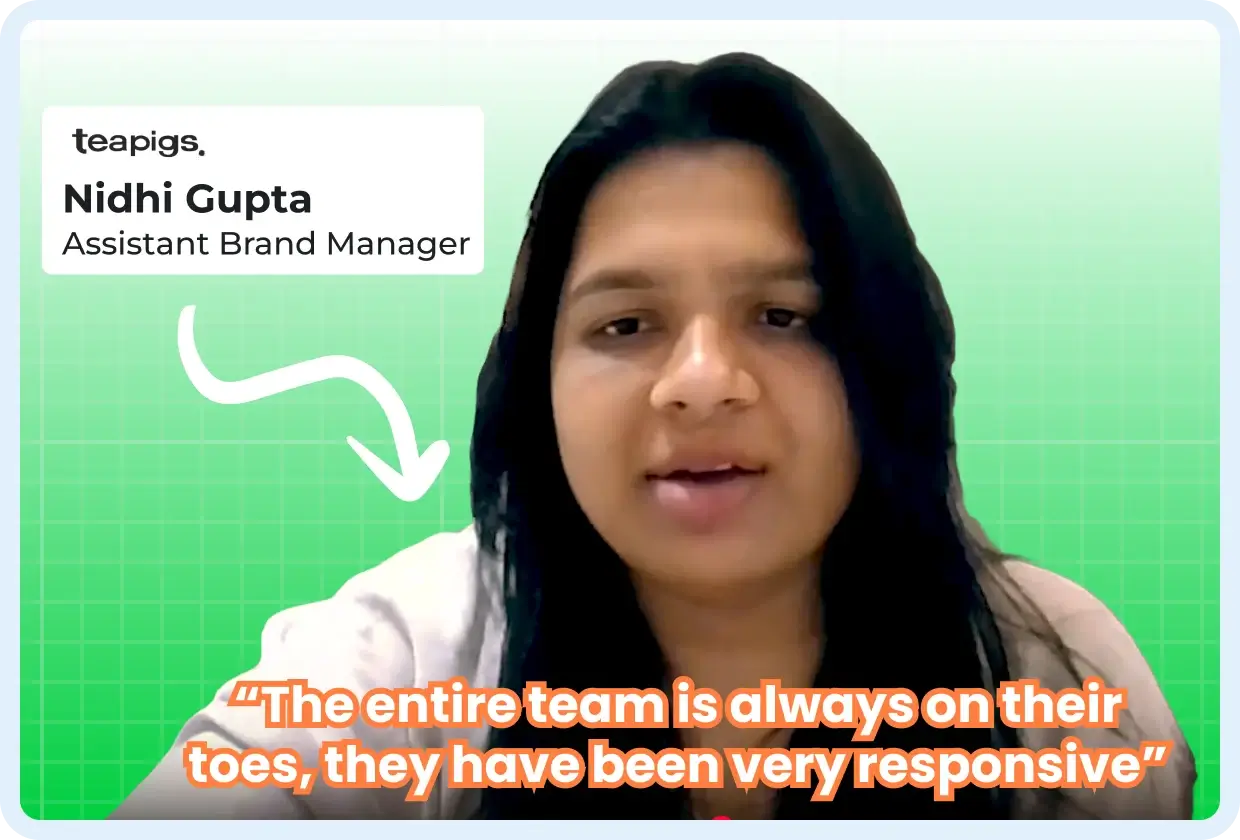
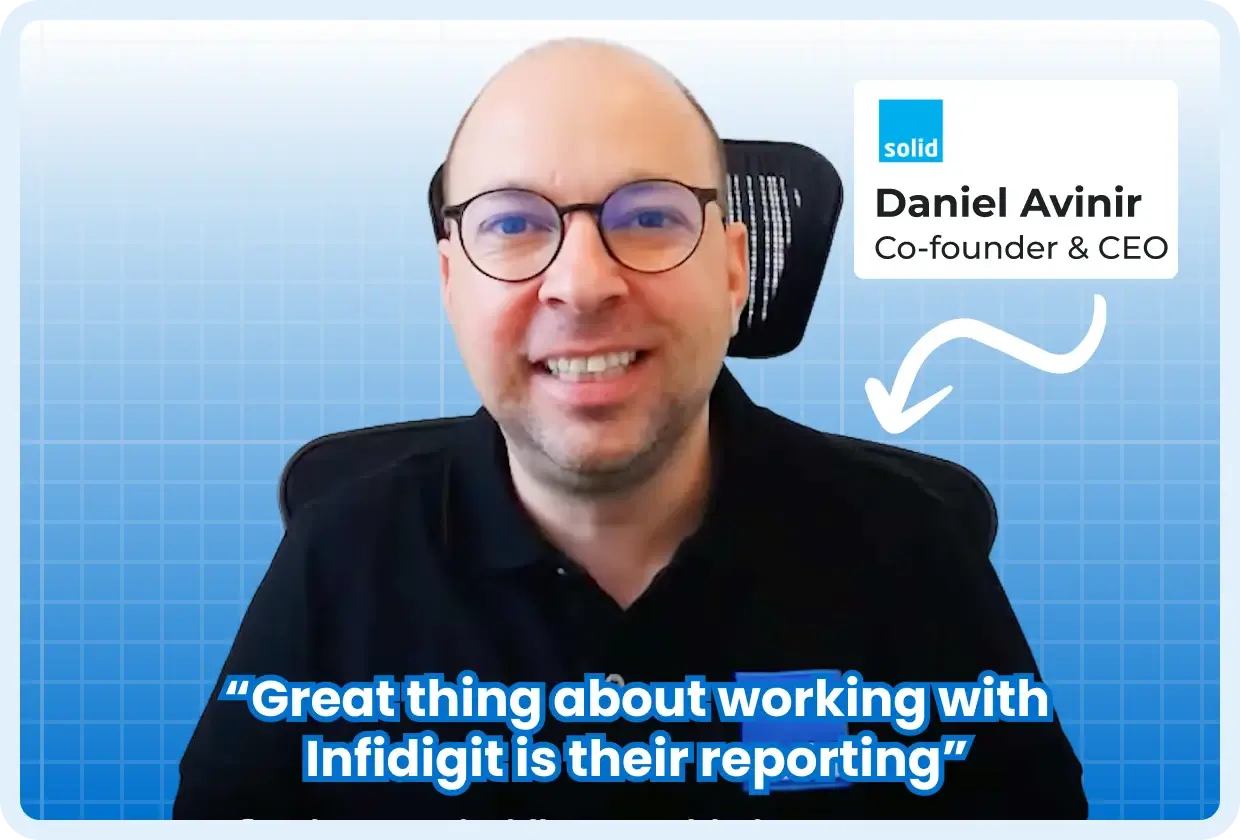
Testimonials
Why Us?

Infigrowth, Infidigit’s proprietary SEO platform, sits behind every link building services engagement, tracking referring domains, anchor text distribution, and ranking impact in one place. That means outreach decisions rest on live data, not a quarterly guess about which links are actually moving rankings.
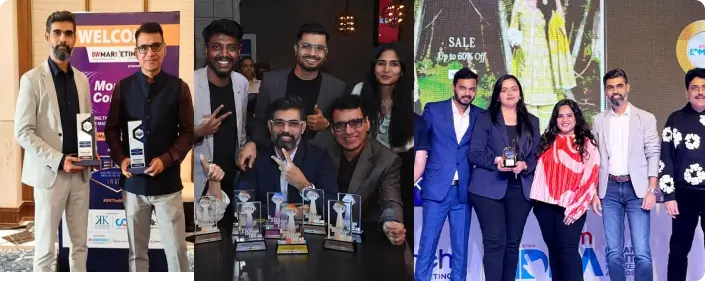
A trophy on a shelf doesn’t prove an agency’s link building actually holds up over time. What does: 100-plus industry recognitions, including wins at SMX and e4m IDMA, awards that specifically evaluate whether campaign results were real, sustained, and repeatable, not just impressive in a submission deck.
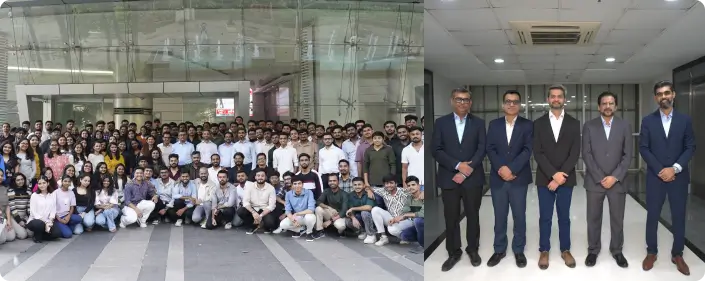
A team of 130-plus specialists handles outreach, content, and digital PR under one roof, meaning our link building services strategy comes from a team that understands both search engines and what actually earns a journalist’s attention. That range matters most when campaigns need speed and quality together.

Every recommendation traces back to real referring domain and ranking data, not assumptions about which tactics should theoretically work. Generic outreach templates applied without any real strategy simply can’t compete with a link building services company built around evidence instead.
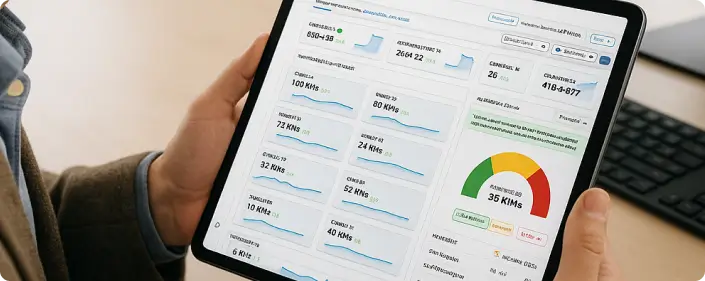
New links, rankings, and traffic connect directly back to the campaign itself in every report, giving stakeholders a clear view of what changed and why. No vague link counts, just link building services measured the way a results-focused business actually needs to see them.
Bring your goals, challenges, and ambitions. We’ll build a strategy designed to move your business forward.
Driving Measurable Growth for Ambitious Brands
Plans
Startups Business
Your Growth Toolkit
Small-Market Businesses, Competitive Niches
Your Growth Toolkit
Mid-Market Businesses, Competitive Niches
Your Growth Toolkit
Enterprise, Large E-commerce, Site Migrations
Your Growth Toolkit
Industry
Platforms


Solutions
Drive sustainable traffic and revenue growth
Optimize visibility across AI search engines
Future-proof search strategy with AI
Scale product visibility and online revenue
Turn visitors into measurable revenue growth
Increase app visibility and install growth
Dominate local search and nearby customers
Authoritative backlinks that boost search rankings
Scalable SEO solutions for large organizations
Build websites that improve engagement
Find and fix issues affecting search visibility
Drive organic growth with strategic content

Growth Manager - Superbalist
SEo Growth
Not all backlinks are created equal, and treating them as interchangeable is one of the most common mistakes businesses make when evaluating link building services. Relevance beats raw authority almost every time: a link from a moderately-sized site genuinely connected to your business topically usually carries more real weight than one from a massive, generic site with no actual relevance to what you do.
Where a link sits matters nearly as much as where it comes from. Embedded naturally within genuinely relevant editorial content, a link signals far more trust to search engines than one buried in a footer, a sidebar, or an obvious paid directory listing any reader would recognize as promotional at first sight. Follow versus nofollow status affects direct ranking impact, but nofollow links from genuinely high-traffic, reputable sources still deliver real referral value and brand exposure, even without passing direct link equity in the traditional sense.
Editorial links earned because content genuinely deserved to be cited hold up differently than links acquired through any paid or purely transactional arrangement, both in direct SEO impact and in how sustainably they survive over time without getting devalued or penalized later.
Backlinks increasingly matter for more than traditional rankings. When deciding which sources to trust and cite in generated answers, AI systems weigh citation patterns and entity signals heavily, so the same relevance and authority principles behind strong traditional SEO now directly support AEO and GEO visibility too. A business frequently cited by genuinely credible, relevant sources becomes easier for AI systems to recognize as a trustworthy source worth citing themselves.
This is where a complete LLM SEO service engagement extends beyond traditional link building, since AI systems don’t just count links; they evaluate the surrounding context and credibility of where a business gets mentioned across the web. These mentions don’t even need to include a traditional clickable link to still carry real signal. Brand mentions across genuinely credible industry sources build this entity authority even when no link is technically present, which is exactly why modern link building strategy increasingly extends beyond link acquisition alone into broader digital PR and genuine brand visibility work.
For a business evaluating any link building investment, understanding this distinction between generic, purely transactional links and genuinely high-quality, contextually relevant ones is what separates a strategy that builds durable, lasting authority from one that simply inflates a link count with little real business value behind it. The businesses that get this right build authority that compounds and holds up over years, not visibility that quietly evaporates the moment an algorithm update reevaluates what quality actually looks like.
AI tools


Growth Manager - Superbalist
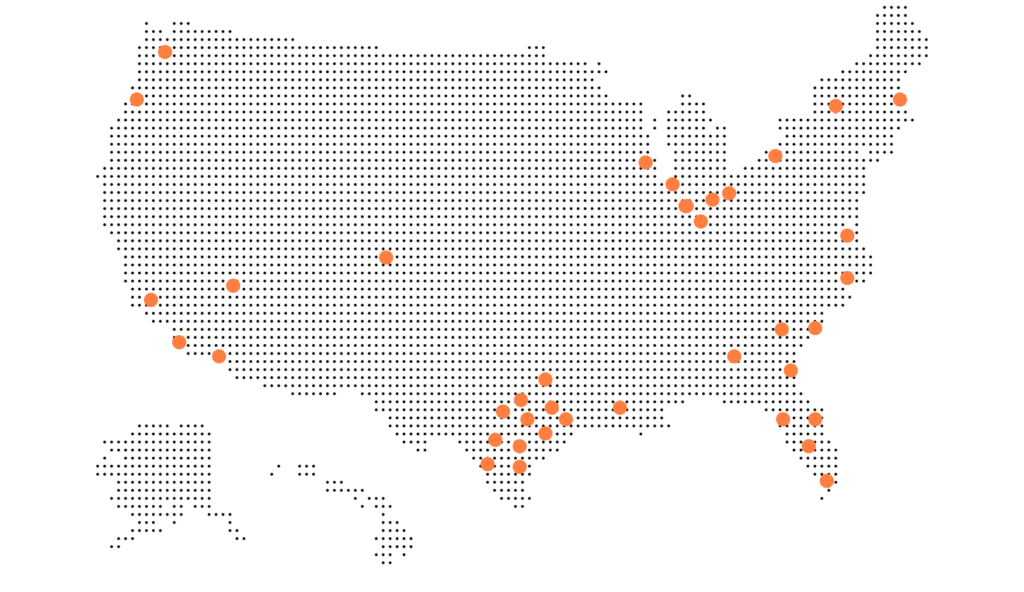
Locations
FAQ’s
The link building services prices are different depending on the competitiveness in the industry, the connection with the quality, and the scope of the campaign. Companies ought to aim at getting pertinent, authoritative connections instead of selecting suppliers on the basis of price alone.
Yes, backlinks of high quality are one of the best ranking factors. Best link building services enhance authority, organic awareness, referral traffic, and sustainable SEO growth.
It is not until you have good content on your website and a good technical base that you can start link building. The early establishment of authority boosts rankings and organic development in the long run.
The main goal of link building services from a top link building company is to increase the authority and trustworthiness of websites. Good backlinks help search engines see your site as a trustworthy source of information, improving your ranking and visibility.
Yes, though what works looks different than it did a decade ago. Google’s algorithms have gotten significantly better at identifying manipulative link schemes, which means low-quality, purely transactional links carry more risk and less reward than they once did. Genuinely earned, relevant links still move rankings meaningfully, and that hasn’t changed.
If anything, quality links matter more now, not less, since the sites that still rank well in competitive categories consistently show strong, relevant backlink profiles behind them. What’s changed is the bar for what counts as genuinely valuable link building services: relevance, editorial context, and real audience overlap now matter more than raw domain authority numbers pulled from a tool alone.
Earning the internet’s version of a recommendation is a good way to think about it: other credible sites linking to yours because your content genuinely deserves the reference. Link building services cover the full process of identifying opportunities, creating link-worthy content, and reaching out to relevant sites and journalists to earn genuine mentions.
Doing it well starts with content actually worth linking to, with original research, comprehensive guides, and useful tools, then moves into genuine outreach: guest posting, HARO responses, broken link building, digital PR. Professional link building services combine all of these tactics deliberately rather than relying on just one, since diversity in both link sources and acquisition methods builds a stronger, more natural, more resilient profile over time.