









Driving Growth for Mid-Market & Enterprise Ecommerce Brands




Clients
BenEfits
More organic traffic, more sales. The math here is refreshingly direct.
Wonder why your CAC keeps climbing? Paid ads cost more every single quarter.
A product page buried on page four might as well not exist.
Ready to buy, not just browsing. That's what ranks well and actually attracts.
Shoppers trust stores that show up consistently, not just once in a sale.
Still losing product searches to a competitor half your size? That's fixable.
Case studies
Objective
To dominate Black Friday organic search by doubling sessions and revenue while securing a top-three Google ranking for “Black Friday.”
Challenges
– Extremely high competition for the “Black Friday” keyword
– Low visibility in rich results and featured snippets
Solutions
– Built research-led Black Friday content optimized for Featured Snippets and FAQs
– Strengthened internal linking and crawl priority through smart URL targeting
Results
Increase in organic Black Friday revenue
Growth in organic sessions vs previous year
Ranking on Google
throughout Black Friday week
Objective
To accelerate organic revenue and traffic while dominating high-intent fashion keywords.
Challenges
– Sharp decline in search demand during COVID
– Highly competitive fashion keywords at scale
– Managing SEO across millions of dynamic pages
Solutions
– Adopted a microsite-style SEO strategy to optimize categories at scale
– Executed deep technical SEO fixes across millions of pages
– Strengthened contextual internal linking to boost crawlability and rankings
Results
Increase in Organic Visits
Increase in Organic Revenue
Awards Won
Objective
To accelerate organic revenue and traffic while dominating high-intent fashion keywords.
Challenges
– Duplicate and unstructured URLs causing keyword cannibalization
– Complex site architecture limiting crawl efficiency
– Content gaps across high-intent category pages
Solutions
– Optimized category URLs with clean structure and 301 redirects
– Strengthened on-page SEO with targeted content and metadata optimization
– Built a strategic internal linking and footer structure to improve crawlability
Results
Increase in organic keyword rankings
Improvement in Organic Keyword Rankings
Improvement in Internal Links
Objective
To scale organic visibility and user acquisition for the personal care category through high-intent SEO.
Challenges
– Highly competitive personal care search landscape
– Dominance of established marketplaces in key keywords
– Limited category-level visibility for high-volume queries
Solutions
– Executed deep category & product gap analysis to expand keyword coverage
– Created and optimized high-intent content with CTR-focused metadata
– Strengthened internal linking and schema to improve discoverability
Results
Keywords ranking in the first position increased.
Keywords ranking in first position head increased
Keywords ranking in first position torso increased
Challenges
Visibility starts with matching what you sell to how people actually search for it, not just having a website that technically exists somewhere on the internet. Product titles and descriptions need to speak the exact language shoppers type into Google. Google Shopping and Merchant Center listings extend this visibility further, putting products directly into search results and shopping tabs where competitors are already showing up. Reviews and structured data help too, giving your listings the star ratings and rich snippets.
Getting noticed is rarely about one single fix. It’s the accumulation of dozens of small, deliberate choices that good eCommerce SEO services make consistently.
Realistically, “millions of visitors” is the wrong target for most eCommerce stores. The right target is enough of the right visitors, ones actually searching for what you sell, and who consistently convert into sales. A smaller, highly qualified audience almost always outperforms a massive, disengaged one.
Paid channels can supplement this in the short term, but organic growth compounds. A content and product page built once keeps working for years, which is exactly what makes serious traffic growth achievable without an endlessly climbing ad budget.
Traffic and sales are different problems, and it’s worth figuring out which one you actually have before assuming the whole site needs a rebuild. A store pulling decent visitors but converting few of them usually has friction somewhere: confusing navigation, an unclear return policy, or checkout steps that ask for too much too soon.
Trust signals matter enormously in eCommerce specifically, since a shopper handing over payment details wants real assurance first. Missing reviews, no visible security badges, or product photos that look stock-generic all quietly erode the confidence needed to complete a purchase.
Low conversion despite decent traffic is usually a design and trust problem, not a traffic problem.
Slow page speed, poor mobile experience, or a site structure search engines struggle to crawl properly can all suppress rankings even when the products and content themselves are genuinely strong.
Thin product descriptions compound the problem. A product page that’s just a manufacturer’s spec sheet copy-pasted gives Google very little reason to rank it above a dozen other stores selling the identical product with identical copy.
Duplicate content across variants, sizes, and colors adds another layer of difficulty too. Fixing the technical foundation alongside genuinely differentiated product content, the kind of work a specialized eCommerce SEO consultant prioritizes early, usually moves rankings faster than either fix attempted alone.
Content beyond product pages matters too: buying guides, comparison content, and how-to resources capture shoppers earlier in their research, before they’ve settled on exactly what to buy or from where. This earlier-stage traffic compounds over time into brand familiarity that pays off at the actual purchase moment.
Technical health and site speed round out the picture, since even the best content underperforms on a slow, poorly structured site. Consistent, steady improvement across all three areas together- exactly what SEO services for eCommerce websites should deliver, not a single quick fix- is what actually moves organic traffic meaningfully over time.
Indexation issues are the first thing to check. A product page that search engines can’t crawl or have chosen not to index simply can’t appear in results, despite how well-written the content is.
Duplicate or thin content triggers this often in eCommerce specifically, since near-identical product variants can confuse search engines about which version deserves to rank, or whether any of them are worth indexing at all. Noindex tags left on by accident, broken canonical tags, or pages blocked in robots.txt are common, easy-to-miss culprits too.
Page speed is usually the first lever worth pulling. A product page that takes more than a few seconds to load loses a meaningful share of visitors before they even see what you’re selling, regardless of how good the product is.
Mismatched expectations cause bounces too: a shopper clicking a search result for “affordable running shoes” who lands on a page full of premium, high-priced options leaves immediately, since the page didn’t deliver what the search implied it would.
Clear navigation, visible trust signals, and a mobile experience that actually works smoothly all keep visitors engaged rather than bouncing back to search results within seconds of arriving.
Product variants are the most common source here. Sizes, colors, and minor variations often generate separate URLs with nearly identical content, confusing search engines about which version should actually rank for the shared search terms.
Manufacturer-supplied product descriptions compound this further, since dozens of stores selling the same product often use the same copy the manufacturer provided, creating duplicate content across the web rather than just within your own site.
Canonical tags, consolidated variant pages, and genuinely original product descriptions all help resolve this. The fix usually isn’t complicated technically; it just requires someone to actually prioritize doing it properly across the full catalog.
Process
Every engagement starts with a full audit of the current site, not a generic checklist but a review built specifically around eCommerce ranking factors. We check site architecture, crawlability, and indexation first, since even a single misconfigured setting can quietly keep entire product categories out of search results.
Product and category pages get reviewed for content depth and technical completeness together, checking whether descriptions, schema, and images are actually structured in a way search engines can parse properly. Core Web Vitals get assessed too, since eCommerce pages tend to carry more images and scripts than typical content pages, and speed directly affects both rankings and conversion rate.
As a complete SEO audit service from a trusted eCommerce SEO agency, checkout flow and conversion tracking get verified as part of this same pass, confirming that purchases are actually being measured accurately. The output is a prioritized roadmap that covers what to fix first and what moves the needle fastest, ranked by business impact rather than convenience.
Top-ranking competitors get analyzed for exactly what’s working in their strategy, not just how large their catalog happens to be. A competitor with fewer products but stronger content and technical health often outranks a much larger store with thin, generic product pages.
Which valuable searches do competitors currently own, and where does a genuine visibility opportunity actually exist for products this business already sells? Keyword gaps mapped directly from this analysis answer both questions. Pricing and positioning gaps often surface here too, useful context even beyond pure SEO strategy.
How a competitor organizes their catalog often reveals what’s actually working for search engines and shoppers alike, which is exactly why category structure and site architecture get compared as well. This research becomes the strategic backdrop every later recommendation gets weighed against, rather than a one-time exercise disconnected from the ongoing work, and it’s exactly the kind of groundwork a genuine eCommerce SEO agency treats as foundational, not a formality to rush past.
Product, category, and buying-intent keywords all get mapped together as part of any thorough eCommerce SEO services engagement, since eCommerce search behavior spans everything from broad category browsing to highly specific product searches with exact model numbers or specifications attached.
Commercial and transactional terms get particular attention, such as “buy,” “free shipping,” or “[product] on sale,” since these searches typically convert at a meaningfully higher rate than broad, informational browsing terms. Long-tail variations capture this same intent at scale, covering the countless specific ways different shoppers phrase similar purchase needs across the catalog.
Seasonal and trending terms get identified too, since eCommerce demand often shifts sharply around specific times of year, and missing that window costs real revenue regardless of how strong the year-round strategy already is. Keywords competitors rank for that this business hasn’t yet targeted round out the research, exactly the kind of achievable opportunity SEO services for eCommerce should always prioritize early.
A page search engines can’t properly access can’t sell anything, no matter how good the product actually is, which is exactly why crawlability and indexation issues get resolved first. eCommerce pages carrying product images, reviews, and third-party scripts are especially prone to slow load times, so site speed gets addressed with particular urgency, since that slowness quietly suppresses both rankings and conversion.
Product schema, pricing, availability, and review markup all get implemented specifically for ecommerce, helping search engines display rich, informative results. Faceted navigation and filter URLs get configured carefully too, since these can otherwise generate enormous volumes of duplicate, low-value pages that waste crawl budget.
Technical SEO services often surface issues that require bigger structural changes, exactly where a coordinated website development service effort becomes necessary rather than a content-only fix. Redirects and canonical tags round out this step, preventing the kind of quiet link equity loss that compounds as products get discontinued or renamed over time.
Not generic manufacturer copy duplicated across dozens of other stores selling the same item, but content built around the exact terms shoppers search—that’s what product titles, descriptions, and metadata get optimized for here. Original, specific product content consistently outperforms templated descriptions, both in rankings and in actual shopper trust.
Category pages get the same treatment, with genuinely useful introductory content rather than a bare product grid that gives search engines nothing to work with. Related products and categories connect throughout the site via internal linking, helping both shoppers and search engines navigate the full catalog logically.
A dedicated content marketing service layer extends this further into buying guides and comparison content that captures shoppers earlier in their research, before they’ve even settled on exactly what to buy. This complete on-page SEO service approach, paired with broader SEO services, ensures every page, not just top sellers, gets a genuine chance to rank and convert well over time.
Shoppers increasingly ask AI tools directly for product recommendations as part of researching any eCommerce SEO services decision, “best waterproof hiking boots under $150,” and the stores that show up in those answers share specific traits: clear product information, genuine reviews, and structured content AI systems can extract and cite confidently.
Product and category pages get restructured with this in mind: direct answers, clear specifications, and comparison-ready content that gives AI systems exactly what they need to recommend a specific product accurately. Entity clarity matters heavily too, making sure AI systems understand precisely what a store sells and why it’s a credible option worth recommending.
This is where dedicated LLM SEO service work extends beyond traditional optimization, targeting the exact comparison and recommendation questions shoppers actually ask AI tools before ever visiting a website. Most eCommerce SEO experts haven’t addressed this layer yet, making it one of the clearer ways to get ahead early in a still-developing space.
Low-quality directories carry little real weight anymore, so backlinks get pursued instead from genuinely relevant sources: industry publications, product review sites, complementary businesses across the space. A single mention from a trusted review site often outweighs dozens of generic, unrelated links.
Original angles give this outreach real traction. Product launches, unique data, and seasonal trends specific to the industry are the kinds of stories journalists and publications have an actual reason to cover rather than dismissing outright as a paid placement.
Influencer and affiliate partnerships add another authority layer specific to ecommerce, since genuine product mentions and reviews from trusted voices build both referral traffic and real link equity simultaneously at the same time, often without any paid placement involved at all. This combined approach, the kind a genuine e-commerce SEO agency builds deliberately, creates the durable authority that pure product-page optimization alone can’t achieve on its own, regardless of how strong the on-site work is.
Rankings and traffic matter in any eCommerce SEO services report, but never in isolation from actual sales, conversion rate, and revenue connected back to specific product and category pages. A page generating strong traffic but zero sales gets flagged for review, while a lower-traffic page converting exceptionally well gets prioritized for further investment instead.
Product-level performance gets broken out specifically, since an eCommerce business with hundreds or thousands of SKUs needs to know which categories are actually driving revenue, not just an aggregate traffic number that obscures what’s genuinely working. Seasonal trends get tracked over time too, distinguishing a genuine decline from expected, predictable seasonal fluctuation.
AI visibility gets monitored increasingly alongside traditional metrics as well, tracking whether products show up in AI-generated shopping recommendations. Reports close with clear next steps, what’s shipping, what’s being tested, and what’s being scaled, giving stakeholders from any e-commerce SEO company engagement a genuinely clear picture of what’s actually driving results.
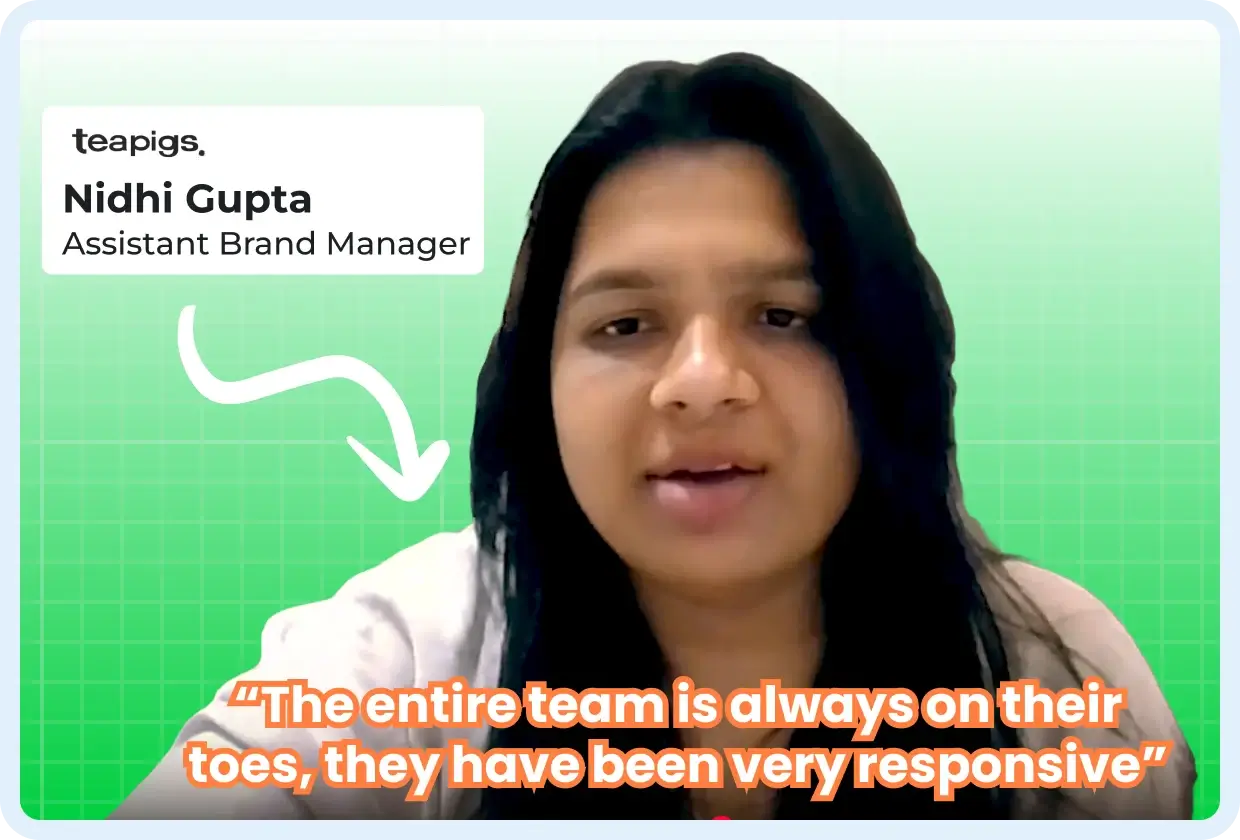
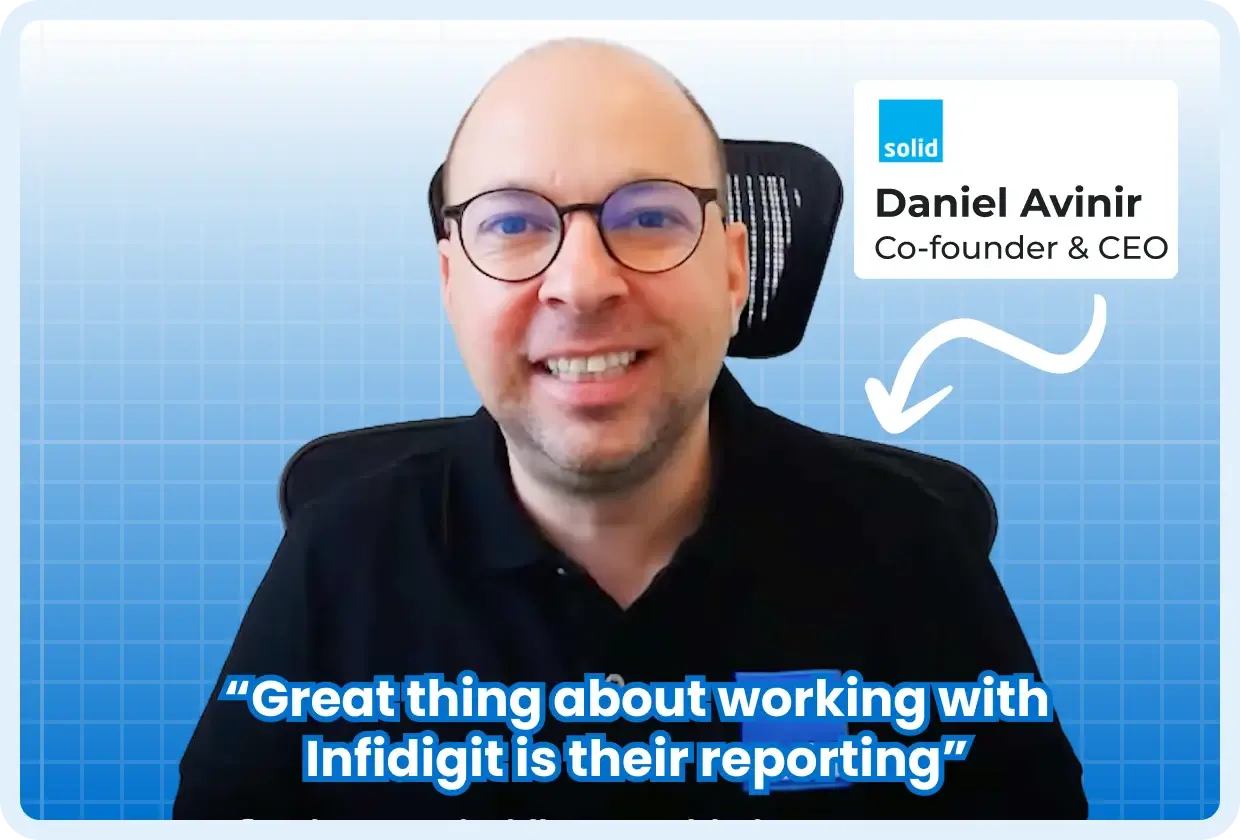
Testimonials
Why Us?

Every eCommerce SEO services engagement runs through Infigrowth, Infidigit’s proprietary SEO platform, tracking product and category rankings alongside AI Overview visibility from day one. That means strategy decisions rest on live data, not a quarterly guess about which SKUs are actually driving organic revenue.

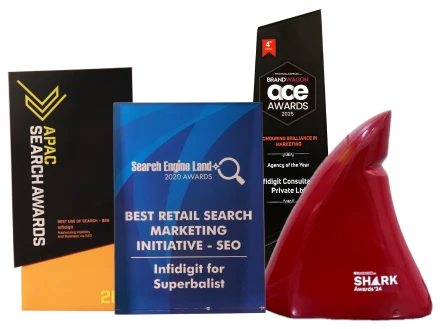
Submission decks don’t win the DIGIXX or the ET BrandEquity Shark Awards on their own. Real, measurable outcomes do, which is exactly the standard behind Infidigit’s 100-plus industry recognitions, with results a client can actually point to and leverage months later, not just a polished case study.

A team of 130-plus specialists covers technical SEO, content, and AI search strategy, meaning any eCommerce SEO services engagement gets built by people who understand both search engines and how shoppers actually buy. That range matters most when technical fixes, content, and product optimization all need to move together.

Every recommendation traces back to real shopper behavior and sales data, not assumptions about what should convert. Generic best practices borrowed from unrelated industries simply can’t compete with eCommerce SEO services built around real evidence instead.
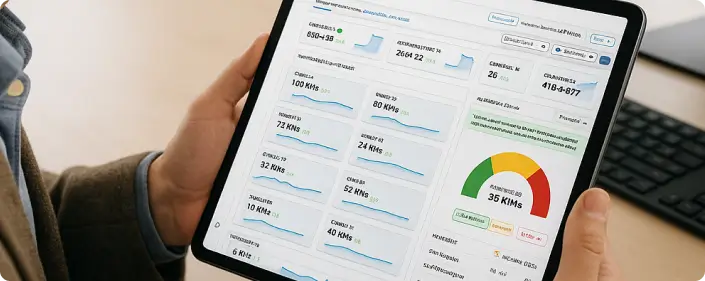
Rankings and traffic connect directly to sales, revenue, and conversion rate in every report, giving stakeholders a clear view of what’s actually working. No vague visibility metrics, just eCommerce SEO services measured the way a revenue-focused business actually needs to see them.
Bring your goals, challenges, and ambitions. We’ll build a strategy designed to move your business forward.
Driving Measurable Growth for Ambitious Brands
Plans
Startups Business
Your Growth Toolkit
Small-Market Businesses, Competitive Niches
Your Growth Toolkit
Mid-Market Businesses, Competitive Niches
Your Growth Toolkit
Enterprise, Large E-commerce, Site Migrations
Your Growth Toolkit
Industry
Platforms


Solutions
Drive sustainable traffic and revenue growth
Optimize visibility across AI search engines
Future-proof search strategy with AI
Scale product visibility and online revenue
Turn visitors into measurable revenue growth
Increase app visibility and install growth
Dominate local search and nearby customers
Authoritative backlinks that boost search rankings
Scalable SEO solutions for large organizations
Build websites that improve engagement
Find and fix issues affecting search visibility
Drive organic growth with strategic content
We’ve worked with Infidigit for several years and have consistently been impressed by their expertise, professionalism, and results-driven approach. Their team has played a key role in improving our organic visibility and helping us achieve sustained growth. From Jan’25 to Aug’25, organic clicks grew by 138% and impressions by 119%, reflecting the strong results of our ongoing SEO efforts. It’s been a pleasure partnering with them.

Growth Manager - Superbalist
SEo Growth
Most eCommerce SEO services still optimize purely for traditional search results, treating AI Overviews and generative search as a future concern rather than a present one. That gap is already costing sales, since a growing share of shoppers now start their research inside an AI conversation rather than a traditional search bar.
Ask ChatGPT or Google’s AI Overview to recommend a product in almost any category, and the answer draws from stores with clear, structured, genuinely informative content, not the ones with the most SKUs or the biggest ad budget. A store invisible in these AI-generated answers is losing consideration at the exact moment a shopper is narrowing their choices, often without any obvious signal in traditional analytics that anything was even missed.
A proper AEO service approach restructures product and category pages specifically for this behavior: clear specifications, honest comparisons, and direct answers to the exact questions shoppers ask before buying, “does this run true to size,” “is this actually waterproof,” rather than vague marketing language that reads well but tells an AI system very little concrete.
Product pages built for LLM readability lead with the specific facts a shopper, or an AI system answering on a shopper’s behalf, actually needs: material, sizing, compatibility, real customer sentiment pulled from genuine reviews. Category pages get the same treatment, offering genuinely useful buying guidance rather than just a grid of products with no organizing context.
A dedicated GEO service layer extends this further, structuring content so generative search engines can confidently extract and cite specific product details rather than skipping a page that reads as vague or promotional. Original content matters enormously here, since AI systems consistently favor specific, verifiable information over generic descriptions duplicated across dozens of competing stores.
This work compounds with strong content writing throughout the catalog, not just on flagship products, since AI systems increasingly evaluate a store’s overall content quality and consistency when deciding which one to trust and recommend. A single well-optimized flagship page surrounded by thin, neglected category pages sends a mixed signal that AI systems pick up on just as readily as human shoppers eventually would.
The eCommerce brands treating this as core strategy now, not an eventual nice-to-have, are the ones building genuine advantage while most competitors are still catching up. Search behavior has already shifted, and eCommerce SEO services built around that shift are what actually keep a store visible. The stores that adapt their content strategy alongside it won’t just rank better; they’ll be the ones an AI system actually recommends when a shopper asks who to buy from.
AI tools





Awesome work, I must say – we are impressed with how you guys have started working for us and the results so far, especially with the new website being launched – I know this is always a tricky task. Keep up the good work, but I know we have a lot more to do and I look forward to seeing the site rank #1 for more important search terms in the not too distant future and other geographies.

Founder of Socially Powerful
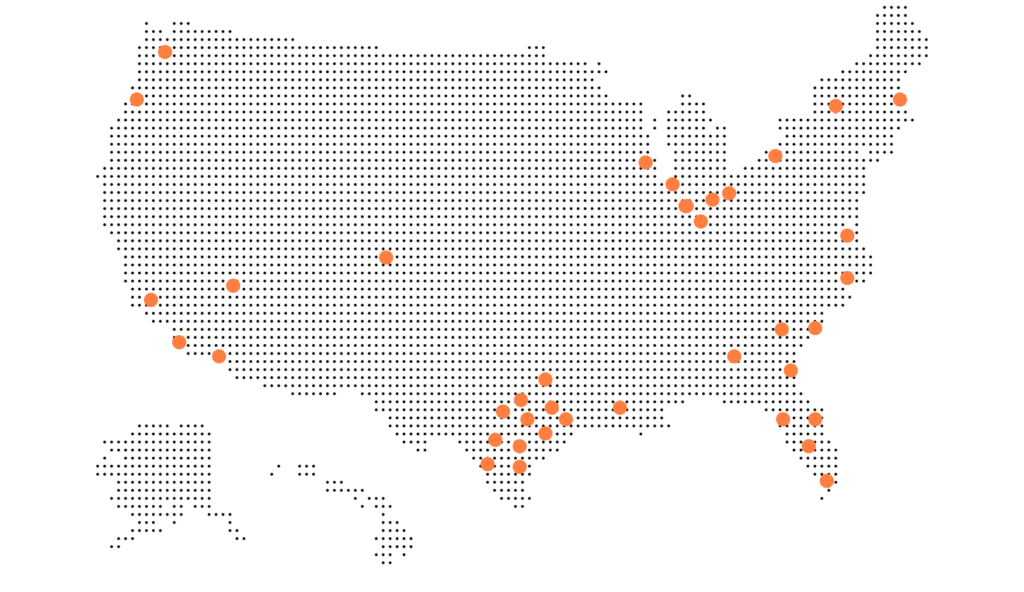
Locations
FAQ’s
Ecommerce SEO pricing is determined by catalog scale, niche competition, and technical complexity, primarily delivered through three billing models: ongoing monthly retainers, one-time project fees, or hourly consulting rates. It offers higher long-term value than paid search ads by building compounding organic traffic that lowers customer acquisition costs without a per-click bill.
SEO is highly worth the investment because it attracts buyers deep in the purchasing funnel without forcing you to pay for every single click. Unlike paid search ads that stop generating traffic the moment your budget ends, organic search builds compounding visibility over time. This continuous flow of high-intent shoppers significantly lowers your long-term Customer Acquisition Cost (CAC) and yields higher profit margins.
Initial results from eCommerce SEO usually appear within three to six months as search engines crawl site structure updates and index optimized content. However, competing in saturated industries like fashion or consumer electronics can take up to a year of sustained effort. Early months focus on resolving site speed bottlenecks and duplicate content, while later months deliver exponential gains in rankings and organic revenue.
Ecommerce SEO differs from traditional SEO by focusing heavily on commercial discovery and transaction pathways rather than informational blog articles. While traditional strategies prioritize long-form guides, ecommerce optimization centers on category pages, site architecture, faceted navigation filters, inventory management, and transaction-focused schema markup like product pricing and stock availability.
To rank an online store effectively, you must build a clean site hierarchy where any product is accessible within three clicks of the homepage. You also need to write unique product descriptions instead of using manufacturer text, optimize main category pages to act as landing destinations, apply Product and Offer structured data, clean up technical issues like out-of-stock product redirects, and earn trusted backlinks through digital PR.
In the AI search era, ecommerce SEO requires preparing content for both traditional rankings and AI-assisted search summaries like Google’s AI Overviews. Modern optimization focuses on machine-readable entity data, natural conversational Q&A formats that match complex buyer queries, structured product specs, and authentic user reviews that demonstrate genuine human experience.
Virtually any online seller can benefit from specialized ecommerce SEO, whether operating a small Direct-to-Consumer (D2C) brand, a massive multi-brand enterprise store, or a B2B wholesale distributor. It scales across platforms like Shopify, Magento, WooCommerce, and custom headless builds to help shoppers discover products directly on your independent storefront.