










Home > Industries > SEO for B2C
Grow consumer traffic, sales, and revenue with B2C SEO services built for how shoppers search.

Driving Growth for Mid-Market & Enterprise Ecommerce Brands



Clients
Know The Basics
B2C SEO services help consumer brands show up when individual shoppers search for products, services, reviews, comparisons, deals, and local providers. These are the exact moments when someone is deciding what to buy and from whom to buy it. Unlike B2B SEO, which targets a small number of high-value, research-heavy buyers through a specialized SEO agency relationship, B2C SEO has to work at volume, capturing thousands of individual consumers each making a faster, often more emotional purchase decision.
B2C SEO services cover everything from product and category pages to reviews, local visibility, and buying guides, since a consumer might discover a brand through any one of these entry points.
BenEfits
Someone typing “best running shoes for flat feet” is closer to buying than they realize.
A well-placed booking button can turn a browsing visitor into a confirmed appointment within minutes.
The hesitation a glossy product photo leaves behind often gets resolved by one genuine review.
A shopper who finds the right category page in two clicks rarely bounces to a competitor.
Paid ads stop delivering the moment the budget runs out. B2C SEO services simply don’t.
Customers often come back because of a genuinely helpful post-purchase guide, not just a discount code.
Process
Every B2C SEO services engagement starts with understanding what a consumer brand actually sells, to whom, and through which channels, not a generic assumption about what “B2C SEO” should prioritize. Products, services, and target customer segments get mapped first, since a brand selling impulse-purchase products online needs a fundamentally different strategy than one selling considered purchases through physical retail locations.
Sales channels get scoped specifically too. These include ecommerce, in-store, and marketplace channels, since each one shapes which pages and keywords actually matter most to the business. Before any new strategy gets proposed, current traffic and conversion performance get reviewed to establish a realistic baseline.
Purchases, bookings, store visits, and email signups: these all get defined clearly as conversion goals, since “more traffic” isn’t actually the goal if it doesn’t connect to one of them. Who’s actually winning the searches this brand needs to win gets scoped at this stage too. Margin and strategic importance, not just what’s easiest to execute first, decide which product lines or capabilities the strategy prioritizes.
Where does the brand actually stand today across the searches that matter to its customers? Current rankings and traffic answer that first. Crawlability and indexation get checked right alongside this, since even a small technical issue can quietly keep high-value product or category pages out of search results entirely.
Completeness and conversion readiness matter just as much as search visibility when product and service pages get audited, since a page ranking well but failing to convert is still underperforming either way. Local SEO signals get reviewed for any brand with physical locations too, checking Google Business Profile completeness and citation consistency.
Our team assesses Core Web Vitals and schema implementation because consumer shopping behavior is overwhelmingly mobile, and a slow or poorly structured page loses sales regardless of ranking. We also verify Analytics and conversion tracking as part of this same SEO audit service, confirming that purchases, leads, and bookings are measured accurately before any new strategy is built.
We map consumer keywords based on how individual shoppers actually search: product names, use cases, problems, comparisons, rather than the more formal language a business might use internally to describe its own offerings. Product and service terms get layered in alongside genuine buying-stage language, “[product] reviews,” “[product] vs [alternative],” “best [product] for [use case],” since these searches typically convert at a meaningfully higher rate than broad category terms.
Local searches are analyzed separately for any brand with physical locations, capturing “[service] near me” style queries that carry strong purchase intent. Increasingly, this research also considers AI prompts, the kind of question a consumer might ask ChatGPT when comparing products or looking for a recommendation, since that behavior continues growing steadily among everyday shoppers.
Competitor gaps get identified alongside all of this, revealing which valuable searches competitors currently dominate and where a genuine visibility opportunity actually exists for this specific brand to compete.
Homepage, category, and product pages get planned around how consumers actually browse and compare, not around how the business happens to organize inventory internally. A confusing navigation structure loses sales quietly, regardless of how strong the underlying products actually are.
Service and location pages get mapped alongside this for brands with physical presence, ensuring local search visibility gets built into the site structure rather than bolted on as an afterthought later. Blog, review, and FAQ content get planned into the architecture too, supporting the research consumers do before a purchase decision rather than existing as a disconnected content section nobody actually finds.
Buying guides get their own dedicated place in this structure as well, since these consistently rank well for comparison and “how to choose” style searches. A thoughtful website design service approach ties this navigation together visually, and internal linking gets mapped across all of it, connecting related products and content so both shoppers and search engines understand how the full site fits together.
Generic descriptions could apply to any similar product on the market, which is exactly why metadata, headings, and product copy all get optimized around the exact terms consumers actually search instead. The real questions shoppers have get answered directly on product and service pages through built-in FAQs, sizing, shipping, returns, and compatibility, rather than generic company FAQs disconnected from the actual purchase decision.
We conduct image optimization because alt text and file structure affect visibility in image search, a genuinely meaningful traffic source for many consumer categories. Schema markup gets layered in throughout, helping search engines understand product availability, pricing, and reviews at a glance.
Internal links and CTAs get reviewed with the same care, since a beautifully optimized page that doesn’t make purchasing or booking obvious still underperforms. A strategic Content marketing approach ties all of this together, supporting the full consumer journey from first discovery through to purchase rather than treating content as disconnected from the products it’s meant to sell.
Google Business Profile optimization anchors this step for brands with physical locations, since map pack visibility often captures high-intent local searches before a shopper ever visits the website. Categories, photos, and posting cadence all get addressed here, keeping the profile genuinely active rather than set up once and forgotten.
Filters, variants, and out-of-stock pages need to be handled correctly as product and category SEO gets implemented for ecommerce. If not handled well, these can accidentally create duplicate content or dead ends that quietly frustrate both shoppers and search engines. Core Web Vitals and crawlability get particular attention here too, since ecommerce sites tend to carry more scripts, images, and third-party tools than a typical content page.
Products get discontinued or renamed constantly, so redirects get audited carefully to prevent the kind of quiet link equity loss that compounds over time. Tracking gets configured and tested specifically as part of any thorough B2C SEO services engagement, confirming that purchases, bookings, and leads all get measured accurately from day one rather than discovered broken weeks after launch when the numbers don’t add up.
Consumers increasingly ask AI tools directly for recommendations, “best running shoes for flat feet” or “which skincare brand actually works for sensitive skin,” and the brands that show up in those answers share specific traits: clear product information, genuine reviews, and structured content AI systems can extract confidently.
A proper AI SEO service approach ensures this information is genuinely explicit rather than buried in marketing copy that reads well to a human but tells a language model very little concrete. Direct answers and structured summaries get built directly into product and category pages, giving AI systems exactly the kind of citation-worthy content they favor over vague brand messaging.
This is where dedicated LLM SEO service work extends beyond traditional B2C SEO services optimization, targeting the specific comparison and recommendation questions consumers actually ask AI tools. Schema markup and entity signals tie this together technically. Our team prioritizes AI-search-ready content for the brand’s highest-value products and categories, not evenly spread across an entire catalog regardless of actual sales impact.
Reporting tracks the metrics that actually matter to a consumer brand: rankings and traffic, yes, but always alongside sales, leads, calls, bookings, and revenue connected back to specific pages and keywords. A page generating strong traffic but zero conversions gets flagged for review, while a lower-traffic page converting well gets prioritized for further investment.
Conversion rate, average order value, and customer lifetime value are tracked alongside traditional SEO metrics, since a channel driving high-margin repeat customers deserves different treatment than one driving one-time, low-value purchases. This ongoing CRO work runs parallel to SEO rather than as an afterthought, since driving more traffic to a poorly converting page just amplifies an existing problem rather than solving it.
Whether the brand shows up in AI-generated recommendations gets tracked increasingly too, monitoring this growing channel alongside everything else. Completed SEO actions round out each report in plain language: what shipped, what’s in progress, and what’s next, giving stakeholders a clear picture of the work itself, not just the outcomes it eventually produces.
Testimonials
Why Us?


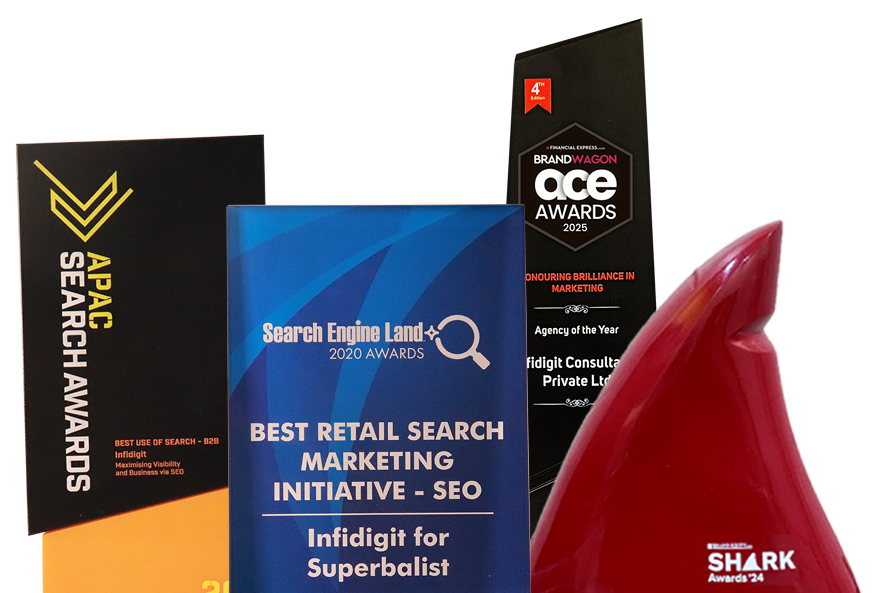
A pitch deck can look impressive without a single number to back it up. Infidigit’s 100-plus industry recognitions, including wins at SMX and the ET BrandEquity Shark Awards, came with actual campaign data attached: the traffic, the conversions, the revenue a judge could verify rather than just take on faith.
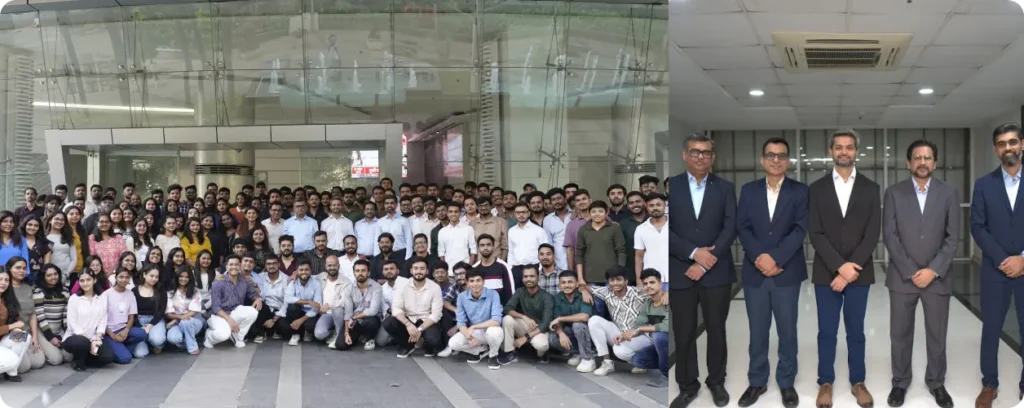
A team of 150-plus specialists spans technical SEO, content, local search, and conversion optimization, meaning a B2C SEO services strategy gets built by people who understand the full path from search to sale. That range matters most when technical fixes, content, and CRO all need to move together.

Every recommendation traces back to real consumer search behavior and conversion data, not assumptions about what shoppers want to read. Generic best practices borrowed from unrelated industries simply can’t compete with a b2c SEO agency built around evidence instead.

Rankings and traffic connect directly to sales, leads, and bookings in every report, giving stakeholders a clear view of what’s actually working. No vague visibility metrics, just b2c SEO services measured the way a revenue-focused consumer brand actually needs to see them.
Plans
Startups Business
Your Growth Toolkit
Small-Market Businesses, Competitive Niches
Your Growth Toolkit
Mid-Market Businesses, Competitive Niches
Your Growth Toolkit
Enterprise, Large E-commerce, Site Migrations
Your Growth Toolkit
Industry
Solutions
Drive sustainable traffic and revenue growth
Optimize visibility across AI search engines
Future-proof search strategy with AI
Scale product visibility and online revenue
Turn visitors into measurable revenue growth
Increase app visibility and install growth
Dominate local search and nearby customers
Authoritative backlinks that boost search rankings
Scalable SEO solutions for large organizations
Build websites that improve engagement
Find and fix issues affecting search visibility
Drive organic growth with strategic content
We’ve worked with Infidigit for several years and have consistently been impressed by their expertise, professionalism, and results-driven approach. Their team has played a key role in improving our organic visibility and helping us achieve sustained growth. From Jan’25 to Aug’25, organic clicks grew by 138% and impressions by 119%, reflecting the strong results of our ongoing SEO efforts. It’s been a pleasure partnering with them.

Growth Manager - Superbalist
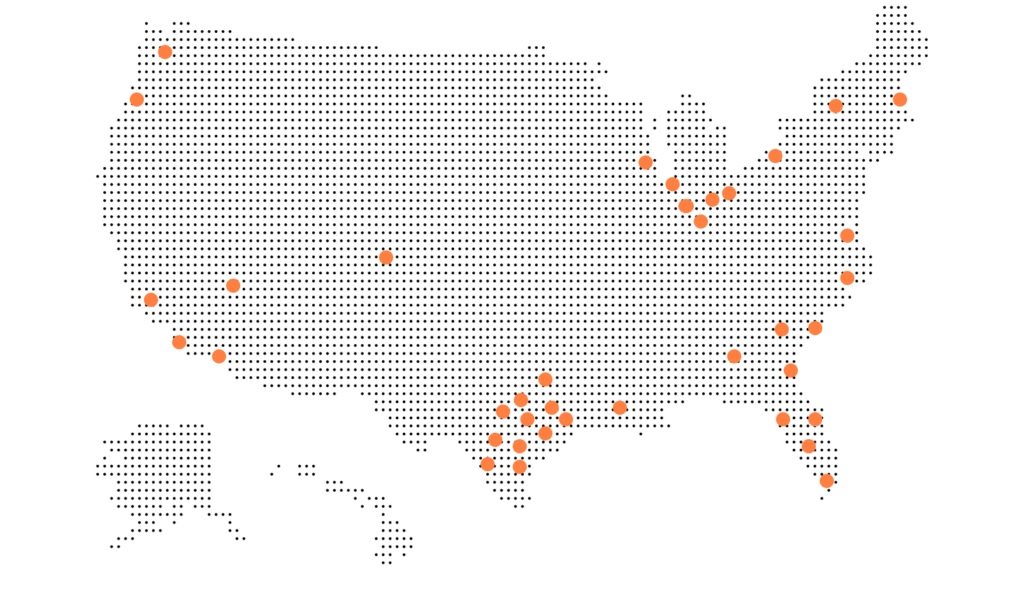
Locations
FAQ’s
Think of it as SEO built for volume and speed rather than a small number of high-value deals. B2C SEO services focus on getting a consumer brand found by individual shoppers searching for products, services, reviews, and local providers. These are the moments when someone is actively deciding what to buy right now, not researching a purchase over several months.
Product pages, category pages, reviews, and local visibility take priority here over the kind of long-form technical content a B2B strategy might lean on. Consumer search behavior tends to be faster and more comparison-driven too, “[product] vs [alternative]” and “[product] reviews” style searches that convert quickly once someone lands on the right page.
The biggest differences come down to volume and decision speed. Thousands of individual consumers making relatively fast purchase decisions is what a B2C brand needs to capture, while B2B SEO typically targets a smaller number of buyers moving through a longer, more considered sales cycle involving multiple stakeholders.
Content priorities shift as a result. SEO services for B2C brands lean heavily on product pages, reviews, comparisons, and local visibility, while B2B content tends to focus more on case studies and technical specifications built for a multi-person buying committee rather than an individual shopper. Keyword intent differs too: B2C searches are often emotional or comparison-driven “best,” “reviews,” “near me”, while B2B searches lean more technical and evaluative.
Because most consumers now research a purchase, even a relatively small one, before buying, checking reviews, comparing options, or searching for the best price before committing. A brand invisible in that research simply doesn’t make the shortlist, regardless of how good the actual product or service is.
SEO services for B2C companies build visibility across exactly these research moments: product searches, comparison queries, local searches, and review checks, connecting that visibility directly to sales rather than just traffic. Without this, even a strong product risks losing sales to a competitor that simply shows up first in the searches that actually matter to a deciding customer.
Yes, and ecommerce is one of the categories where B2C SEO delivers some of the clearest, most measurable results. Product and category pages, when properly optimized, capture high-intent searches directly, “[product] buy online,” “[product] free shipping,” moments where a shopper is genuinely close to completing a purchase.
Technical factors matter heavily here too: site speed, mobile experience, and clean product schema all directly affect both rankings and conversion rate for an online store, which is exactly why an SEO agency for B2C ecommerce businesses tends to prioritize technical health early. Filters, variants, and out-of-stock pages need particular care as well, since these can quietly create duplicate content or dead-end pages that hurt both search visibility and the actual shopping experience if left unmanaged.
Rankings and traffic matter, but they’re only the starting point. Real measurement connects visibility all the way through to sales, leads, bookings, and revenue, since a brand generating strong traffic but few actual conversions isn’t succeeding at the goal that matters most.
A complete SEO Service engagement built around genuine B2C SEO services tracks conversion rate, average order value, and customer lifetime value alongside traditional rankings data, since a channel driving high-value repeat customers deserves different weight than one driving one-time, low-margin purchases. AI visibility increasingly factors into this measurement too, tracking whether a brand appears in AI-generated recommendations as that channel continues to grow among everyday consumers.