










Driving Growth for Mid-Market & Enterprise Ecommerce Brands




Clients
BenEfits
A quote request or a pricing search means the person is close to buying.
Smart remarketing pulls an abandoned cart back into a completed sale.
Every dollar can be capped by location, device, or time of day.
Someone typing a competitor's name into Google is ready to compare now.
A shopper sees your brand on search, then again on YouTube later.
Every lead traces back to exactly which ad and keyword drove it.
Challenges
Clicks without leads usually point to a mismatch between what the ad promises and what the landing page actually delivers. Landing page speed and mobile experience play a role too, since a slow or cluttered page loses visitors before the form even loads. Weak calls to action, a phone number buried at the bottom instead of a clear “Book Now” button, quietly kill conversions that the ad itself did everything right to earn.
Fixing this usually starts with the landing page, not the campaign, and it’s often the fastest fix available to any PPC service’s engagement stuck at this stage.
High cost per lead often traces back to broad targeting pulling in the wrong audience, or keywords with commercial intent that are simply expensive in a competitive category. Bidding on generic terms without enough negative keywords wastes spend on searches that were never going to convert.
Quality Score matters more than most advertisers realize here. Poor ad relevance or a weak landing page experience pushes up the cost per click directly, which compounds into a higher cost per lead across the whole account.
Tightening targeting, adding negative keywords, and improving landing page relevance usually brings this number down faster than simply raising bids.
A search term triggering irrelevant clicks is one of the quieter budget leaks. So is a campaign running with no negative keyword list at all, or an ad schedule burning budget around the clock when conversions really only happen during business hours.
Overlapping campaigns can also bid against each other for the same keywords, quietly inflating costs until someone actually sits down and audits the account structure. Auto-applied Google recommendations, accepted without review, can also push budget toward changes that favor volume over actual performance.
A proper search term and placement audit usually surfaces exactly where the leaks are, often within the first few hundred dollars of spend reviewed.
Often it’s not a bigger budget; it’s better structure. A competitor running tightly themed ad groups with closely matched keywords and ad copy typically sees stronger Quality Scores, which lowers their cost per click and stretches their budget further than a loosely organized account ever could.
Landing page experience makes a real difference too. A competitor sending traffic to a page built specifically for that search, rather than a generic homepage, converts more of the same traffic at a lower cost.
Testing discipline separates the accounts that improve steadily from the ones that plateau; competitors iterating constantly on ad copy and audiences simply compound gains faster over time.
Low-quality leads usually trace back to targeting that’s too broad or keywords capturing informational searches rather than genuine buying intent. Someone searching “what is PPC” is in a very different place than someone searching “PPC agency pricing,” and treating both the same way pulls in the wrong mix.
Ad copy plays a role too. An ad that stays vague ends up pulling in clicks from people who were never a real fit, which wastes ad spend.
Fix the intent matching on the keywords and sharpen what the ad actually promises, and most of these mismatched clicks stop converting in the first place.
This usually comes down to targeting settings that are either too broad or built around assumptions rather than real customer data. Location targeting set too wide, audience layers left off entirely, or demographic exclusions never configured all let budget leak toward people outside the actual customer profile.
Platform-specific behavior matters too. An audience that performs well on Google Search may behave completely differently on Display or paid social, and applying identical targeting across every platform ignores how differently people search versus browse.
Building audience segments from actual CRM and conversion data, rather than platform defaults, usually closes this gap faster than broader targeting fixes.
Quality Score is the lever worth pulling first. Better ad relevance and a stronger landing page experience bring cost per click down directly, before conversion rate even enters the equation, and tighter ad groups built around closely related keywords consistently beat broad, loosely themed ones here.
Once enough conversion data exists, shifting bid strategy toward target CPA or maximize conversions is usually the next move, but it works best layered on top of these foundational fixes, not as a substitute for them.
A static campaign can’t always keep up with seasonal demand shifts, competitor bidding changes, or the week-to-week swings in auction pressure. What worked in one month can quietly underperform the next without any obvious change on the advertiser’s side.
Conversion tracking gaps also cause this, since Google’s automated bidding relies entirely on accurate conversion data. A tracking issue that goes unnoticed for even a few weeks can send bidding algorithms chasing the wrong signal, producing results that look inconsistent but are actually just misinformed.
Regular account reviews catch these shifts before they compound into a real performance problem.
Process
Every engagement starts with understanding what counts as success for this specific business, not a generic assumption about what PPC services should deliver. Lead goals, sales targets, and revenue goals are defined upfront, along with the margins behind them, since a lead worth five dollars in margin needs a very different cost-per-lead target than one worth five hundred.
Audience, location, and product or service priorities get mapped next. A business selling nationally needs a different structure than one serving three zip codes, and a business with ten product lines needs prioritization that a single-service business simply doesn’t.
Funnel stage matters heavily here too. Where does a prospect actually go after clicking an ad? Straight to a purchase, a quote request, a multi-step consultation booking, and where in that funnel do most prospects currently drop off?
Current campaign performance, where it exists, gets reviewed against all of this from day one. This isn’t a formality before the “real” work starts; it’s what determines whether the entire strategy that follows is actually built around what the business needs, or just PPC best practices applied without context.
Before any new campaign work begins, the existing account gets a full audit, not a surface glance but a structural review. Account organization, keyword themes, search terms triggering ads, and ad copy relevance all get examined for what’s working and what’s wasting spend.
We review landing pages alongside the campaigns that send traffic to them, since even a perfectly optimized campaign may fail when directed to a page that doesn’t match search intent. Budget allocation gets checked: is spend actually going toward the campaigns and keywords producing results, or toward whatever’s been running longest by default?
Conversion tracking are verified carefully, confirming that leads, calls, and sales are actually being measured accurately rather than assumed. This step alone regularly uncovers tracking gaps that have been silently distorting reporting, and therefore decision-making, for months. Where CRM data exists, it gets connected too, so lead quality and downstream revenue, not just lead volume, become part of the picture from the start.
With the audit complete and goals defined, we build strategy around where the business will see the strongest return, not a template applied regardless of category. Search captures high-intent demand, shopping fits ecommerce, and display or social carry more of the awareness and remarketing load. Each platform earns its place in the plan for a specific reason rather than by default.
Budget doesn’t get split evenly out of caution; it goes toward whichever channels and campaign types have the clearest, most direct path to the business’s actual goals. Audience targeting and keyword themes get mapped to funnel stage, matching message and offer to where a given prospect actually sits in their decision.
Landing page and offer strategy are planned alongside the media plan, not after it, since a strong campaign pointed at a weak offer or mismatched page still underperforms. Defining success metrics before launch means performance gets measured against real targets from day one, not retrofitted after the fact.
This step calls for precision: structured ad groups organized around tightly themed keyword clusters, not broad, catch-all groupings that dilute relevance and hurt Quality Score. Each ad group gets keywords, audiences, and extensions built specifically for the intent it’s meant to capture.
We configure conversion goals accurately from the start, since a campaign optimizing toward the wrong goal, or no goal at all, can run for weeks producing data that actively misleads rather than informs. Exclusions and negative keywords are built in from day one too, filtering out irrelevant searches before they ever consume the budget rather than fixing the leak after the fact.
For an existing account being restructured rather than built fresh, we handle this step carefully to preserve historical performance data and existing Quality Score wherever possible. The goal throughout is a foundation clean enough that every later optimization step actually has reliable data to work from.
Ad copy gets written to match the exact intent behind each keyword theme, not a generic message reused across every ad group in the account. Someone searching a specific service plus “pricing” needs different messaging than someone searching that same service plus “near me,” even though both might technically fall under the same product. A dedicated content writing service shapes this messaging with the same intent-matching discipline applied to the keywords themselves, rather than treating ad copy as an afterthought bolted onto the media plan.
Landing page recommendations follow directly from this same intent-matching logic. A page that echoes the ad’s specific promise, in headline, offer, and visual design, consistently converts better than sending diverse ad traffic to one generic page trying to serve everyone at once. This is also where a genuinely useful website design service connection matters, since landing page structure and technical execution directly affect conversion rate, not just ad relevance.
Relevance between ad and page compounds directly into Quality Score too, which lowers cost per click across the account. Every recommendation here gets built around one measurable goal: turning more of the same paid traffic into an actual lead or sale.
Monitoring doesn’t wait for a scheduled monthly check-in; it starts the moment campaigns go live. Search terms get reviewed regularly, catching irrelevant queries before they consume a meaningful budget, and bids get adjusted against actual performance data instead of sitting on autopilot indefinitely.
A campaign can look perfectly healthy in aggregate while one specific audience segment or landing page variant quietly drags down the whole account, so landing page and audience performance get tracked right alongside campaign-level metrics. Isolating that signal early prevents it from masking real opportunities elsewhere in the account.
CPL, CPA, and ROAS get tracked as the metrics that actually matter, not clicks or impressions in isolation. This ongoing optimization work overlaps directly with a broader CRO service wherever landing page conversion, not just ad performance, is the bottleneck holding results back. Budgets shift toward whatever’s genuinely producing results and away from what’s underperforming, on an ongoing basis rather than waiting for a fixed reporting cycle to make that call.
Reporting connects every layer of activity back to business outcomes, not just platform metrics sitting in isolation. Spend, clicks, CTR, and CPC get reported, but always alongside leads, sales, and revenue, since a campaign with excellent CTR that generates zero qualified leads hasn’t actually delivered anything the business needed.
CPL, CPA, and ROAS get tracked over time rather than as a single snapshot, since a channel’s real value often only becomes clear once enough data accumulates to separate a genuine trend from short-term noise. Learnings from each period get documented clearly too; what worked, what didn’t, and why, rather than left as tribal knowledge that disappears when priorities shift.
Next-step actions close out every report in plain language: what’s changing, what’s being tested, and what’s being scaled based on what the data actually shows. This is what separates a working PPC marketing services partnership from a vendor simply confirming spend happened, and it’s usually the difference stakeholders notice most across a full quarter of reporting.
PPC performance compounds through structured testing, not a single optimization pass treated as finished work. Keywords, audiences, and ad copy all get tested against real performance data on an ongoing basis, since what converts best today can shift as competition, seasonality, and audience behavior change.
Landing pages and bidding strategies get tested with the same discipline. A page variant or bid strategy that wins one quarter doesn’t automatically stay the winner forever, particularly in categories where the competitive landscape moves quickly.
Campaign types get reassessed periodically too, since a channel that made sense at a smaller budget might warrant a completely different approach once spend scales meaningfully higher. Once a PPC campaign management services engagement matures, budget shifts progressively toward whatever’s consistently proving itself, and underperforming elements get cut rather than kept running out of habit. Test, learn, scale: that’s the whole cycle, and it’s the difference between an account that quietly plateaus after setup and one that keeps improving quarter over quarter.
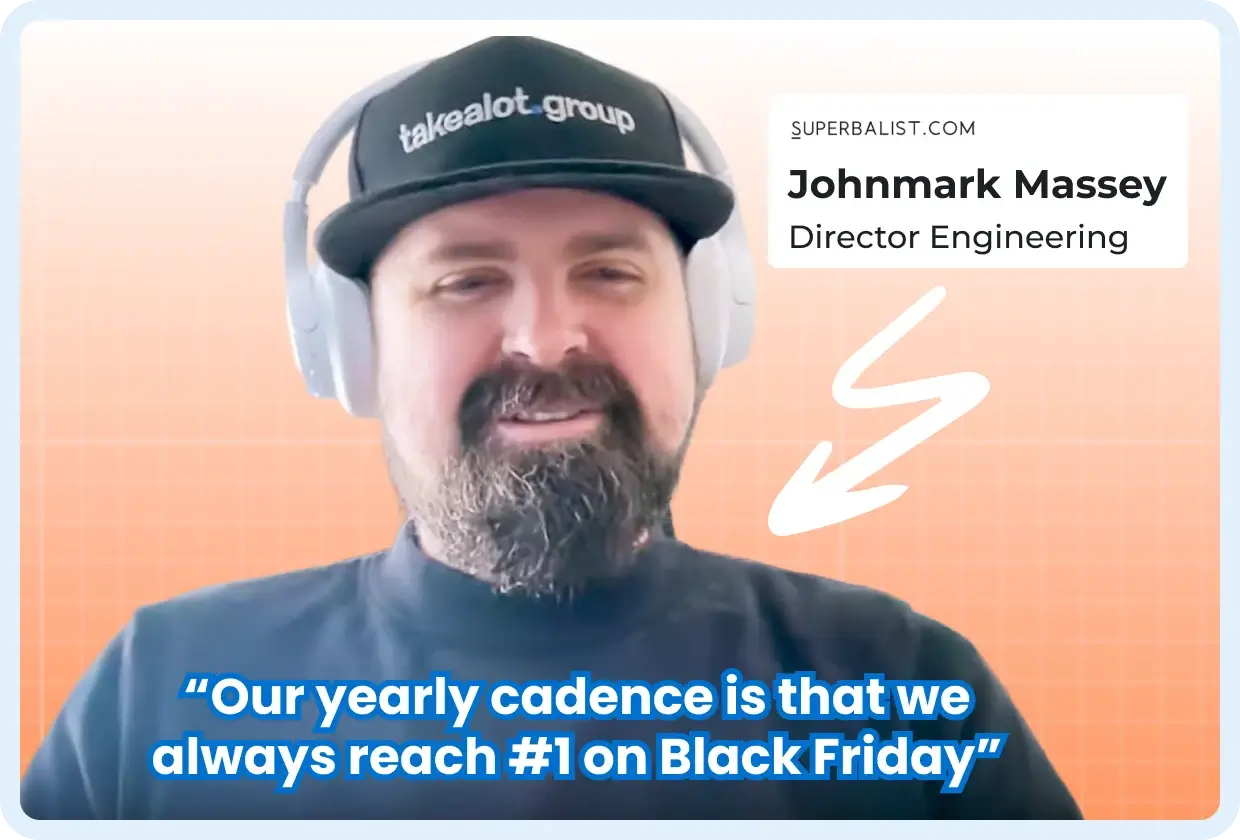
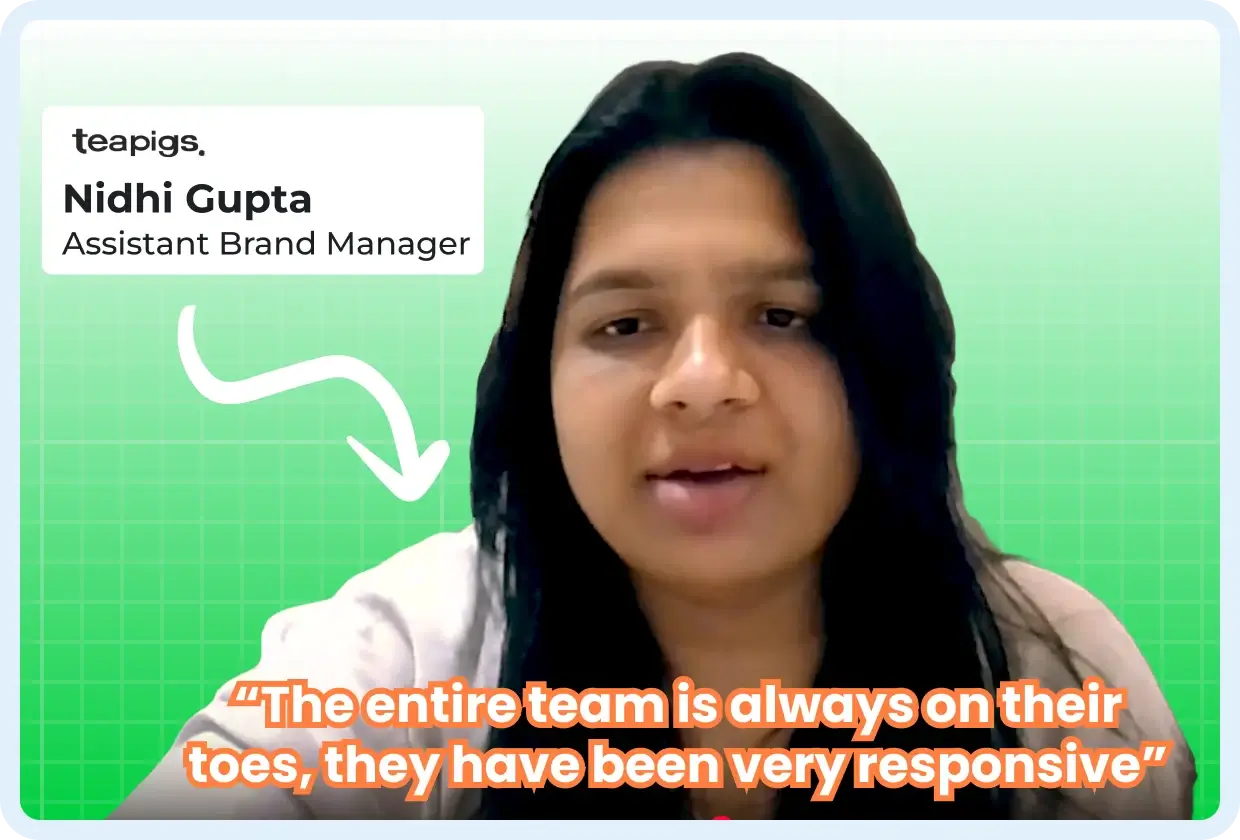
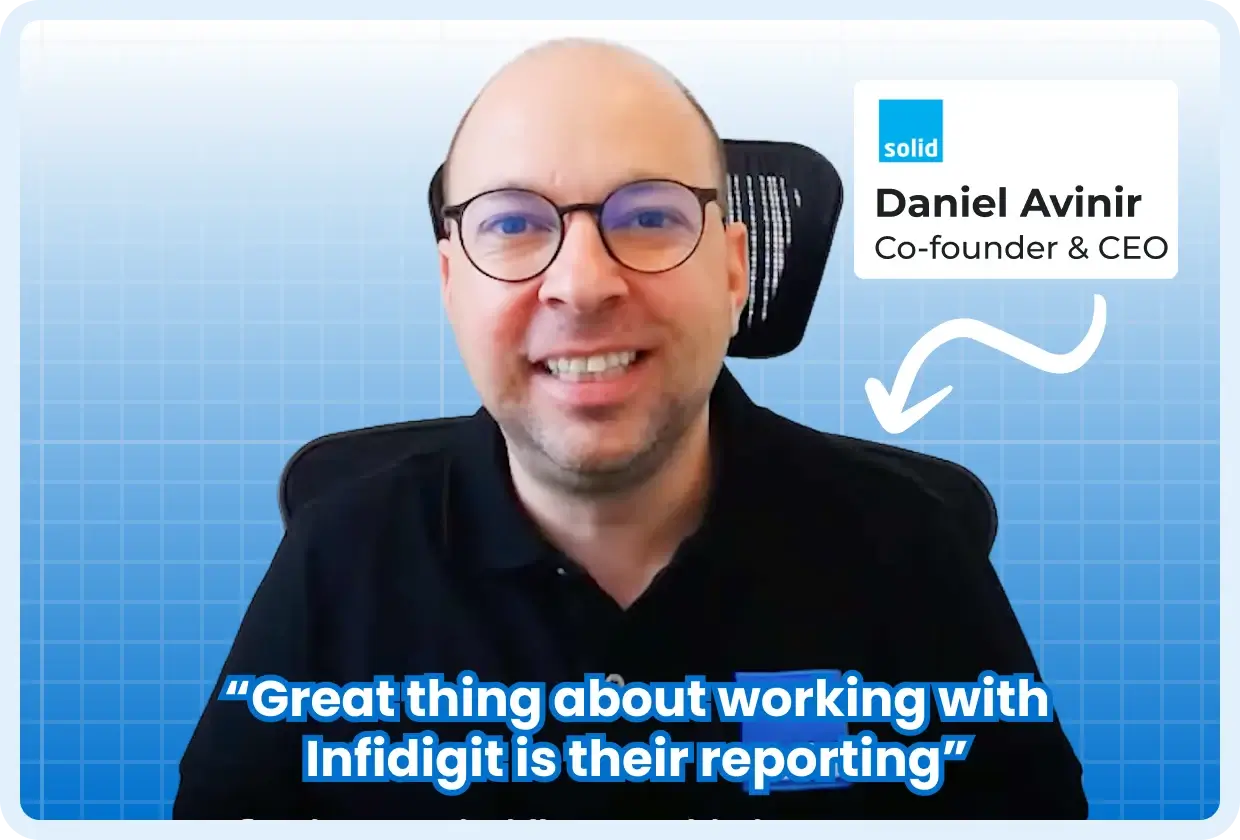
Testimonials
Why Us?

Paid media here is never siloed from Infigrowth, Infidigit’s AI-powered platform for both PPC and SEO service work. Rankings, AI Overview visibility, and PPC performance all sit in the same view, so a business running both channels gets one team seeing the complete picture instead of two disconnected reports.

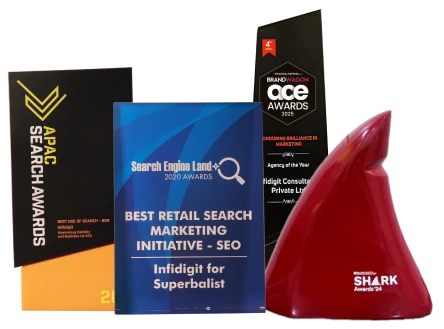
Recognition from SMX, the APAC Search Awards, and the ET BrandEquity Shark Awards reflects search expertise that extends well beyond paid campaigns into organic strategy too. That combined credibility matters for a business weighing a long-term marketing partner, not just a media buyer.

A team of 150-plus specialists spans both paid media and organic SEO, meaning PPC strategy gets built with genuine awareness of what’s already working organically, not in isolation. That cross-channel view consistently prevents the two channels from quietly competing against each other.

Budget decisions are based on real performance data, like CPL, CPA, and ROAS, not on guesswork or platform defaults left unchecked. PPC services get continuously reallocated toward whatever’s actually producing results, which consistently outperforms a static budget split decided once and left alone.
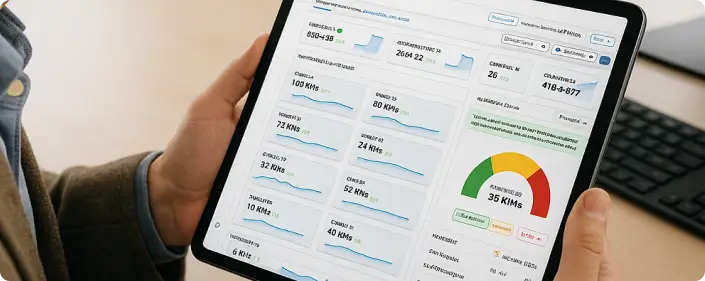
Spend connects directly to leads, sales, and revenue in every report, so stakeholders can see for themselves how their PPC services investment is actually performing. No black-box dashboards or vague monthly summaries, just PPC advertising services reported the way a results-focused business needs to see them.
Plans
Startups Business
Your Growth Toolkit
Small-Market Businesses, Competitive Niches
Your Growth Toolkit
Mid-Market Businesses, Competitive Niches
Your Growth Toolkit
Enterprise, Large E-commerce, Site Migrations
Your Growth Toolkit
Industry
Platforms


Solutions
Drive sustainable traffic and revenue growth
Optimize visibility across AI search engines
Future-proof search strategy with AI
Scale product visibility and online revenue
Turn visitors into measurable revenue growth
Increase app visibility and install growth
Dominate local search and nearby customers
Authoritative backlinks that boost search rankings
Scalable SEO solutions for large organizations
Build websites that improve engagement
Find and fix issues affecting search visibility
Drive organic growth with strategic content

Growth Manager - Superbalist
SEo Growth
Most PPC platforms now run heavily on automated bidding and machine learning, like Google’s Performance Max, Smart Bidding, and automated audience expansion, and treating this as something to fight against rather than use well is a mistake most advertisers still make. The real skill today isn’t avoiding automation; it’s knowing exactly where to let it work and where human judgment still matters more.
Automated bidding genuinely outperforms manual bidding once a campaign has enough conversion data to learn from, since these systems can adjust in real time across signals no human could realistically track manually. But automation optimizes for whatever it’s told to optimize for, and a poorly defined conversion goal or thin data set produces confidently wrong decisions just as easily as good ones. This is where human expertise stays essential: defining the right goals, feeding clean data, and catching when an algorithm is optimizing toward the wrong signal before it burns through meaningful budget.
Performance-based optimization ties this together. Every campaign decision, whether it is about bid adjustments, budget shifts, or audience refinements, gets made based on what the data is actually showing right now, not a fixed strategy set once at launch and left untouched for months. PPC services built this way treat the account as a living system that improves continuously, not a campaign that gets configured once and checked periodically.
Think of PPC and SEO less as competing budgets and more as two channels that make each other better when someone’s actually managing them together. Every search term that converts through PPC is free intel for SEO, sharpening content and keyword targeting immediately instead of waiting months for organic testing to reveal the same thing. SEO rankings, in turn, reduce dependence on paid clicks for terms already ranking well organically, freeing PPC budget to chase new opportunities instead of paying for traffic that’s already arriving for free.
Search results pages increasingly blend paid and organic results together: AI Overviews, shopping carousels, local packs, paid ads, all competing for the same screen space. A business showing up in both paid and organic results simultaneously dominates that real estate in a way neither channel achieves alone, and builds the kind of repeated brand visibility that meaningfully increases trust and click-through rate across both.
This is exactly where a unified strategy, one team managing both channels with full visibility into what’s working across each, consistently outperforms two disconnected teams optimizing in isolation. The businesses seeing the strongest search growth right now aren’t choosing between paid and organic. They’re running both together, deliberately, and letting each channel make the other stronger.
AI tools



Growth Manager - Superbalist
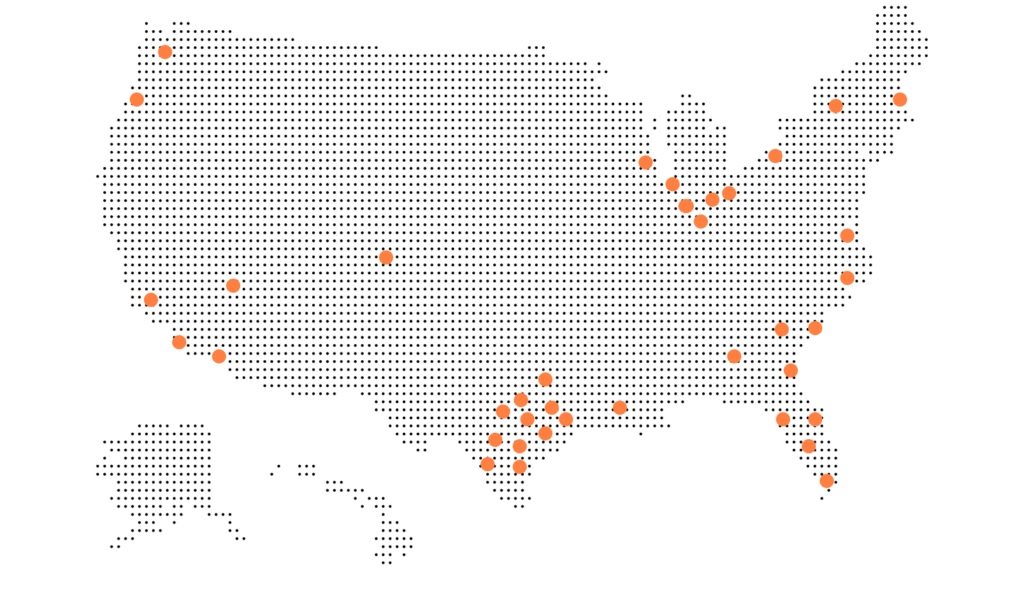
Locations
FAQ’s
PPC stands for Pay-per-click. It’s exactly what it sounds like: an advertiser pays a fee only when someone actually clicks their ad, not a flat rate for impressions or exposure regardless of whether anyone engages. That’s what makes PPC inherently measurable; every dollar spent ties directly back to a specific action someone took.
The model powers most major ad platforms today: Google Ads, Microsoft Ads, Meta Ads, and increasingly, AI-driven ad placements, though the specific pricing mechanics vary by platform and auction dynamics. What stays consistent across every PPC services engagement is the core principle: pay for actual engagement, not passive visibility that may or may not get noticed.
Think of it as outsourcing the entire paid advertising function, not just the media buying. A PPC services agency handles campaigns across Google Ads, Microsoft Ads, and paid social, from keyword research and structure through to bid management, ad creative, and ongoing optimization, work most businesses don’t have the bandwidth to do properly in-house. The point of any PPC services engagement is turning ad spend into qualified leads or revenue, not just clicks.
That usually means strategy, setup, daily monitoring, and reporting handled as one coordinated effort. Platform algorithms and best practices shift constantly, which is exactly why businesses without in-house paid media expertise tend to see stronger results working with a specialized team that has the time to stay current.
This is the ongoing, hands-on side of running paid campaigns well: keyword research, campaign structure, bid strategy, ad copywriting, landing page alignment, and continuous performance monitoring. PPC management services put a dedicated team behind all of it, rather than leaving a campaign to run on autopilot after setup.
That’s meaningfully different from launching a campaign and checking back whenever there’s time. Real management looks like active weekly attention, catching wasted spend as it happens, adjusting bids based on real performance data, rather than letting a campaign sit unmonitored for weeks.
For most businesses, this ongoing piece matters more than the initial setup ever did, since platform algorithms don’t hold still and a campaign optimized once quickly drifts out of alignment.
Two components make up the cost: the actual ad spend paid to platforms like Google or Microsoft, and a separate management fee covering strategy, setup, and ongoing optimization. The management fee is calculated as a flat monthly rate or a percentage of ad spend, depending on the provider and account size.
Ad spend itself varies enormously by industry and competition; a local service business might run effective campaigns on a few thousand dollars monthly, while a competitive ecommerce or B2B category can require significantly more to generate meaningful volume. The more useful question about any PPC services investment usually isn’t the raw number, but what specific strategy, reporting, and optimization work comes bundled with it each month.
Yes, but only when the campaign is actually built around genuine intent instead of broad reach for its own sake. Targeting commercial and transactional search terms, like someone searching for pricing, comparisons, or “near me” queries, consistently produces higher-quality leads than campaigns chasing broad, informational keywords with no clear buying signal behind them.
Landing page alignment plays a major role in lead quality too. A page that clearly sets expectations, service area, pricing range, and qualification criteria filters out mismatched inquiries before they ever convert, rather than converting everyone regardless of fit and leaving a sales team to sort through unqualified leads afterward.
Done well, PPC ad services consistently produce leads that convert into actual revenue, not just a high volume of inquiries that go nowhere.
Yes, and they typically perform better together than either does running in isolation. PPC generates immediate visibility and fast keyword-level data, revealing exactly which search terms convert; insight that sharpens SEO strategy without months of organic testing to discover the same thing.
SEO, in turn, reduces long-term dependence on paid clicks for terms that already rank well organically, freeing budget from PPC services to pursue new opportunities instead. Together, they let a business dominate more of the search results page at once, paid ads and organic listings both, which builds stronger visibility and trust than either channel achieves running alone.