








Driving Growth for Mid-Market & Enterprise Ecommerce Brands




Clients
BenEfits
Webflow helps teams to update website content, service pages, landing pages, and blogs without waiting for developers each time!
You can build a more responsive website layout with a clean build structure, optimized images, lighter pages, and better navigation.
Webflow development can ensure a SEO-friendly website with better metadata, schema, headings, linking, URLs, indexable content, and crawlability.
Cutting-edge Webflow development boosts lead generation with conversion tracking, trust sections, forms, landing pages, CTAs, and user flow.
Scale content with Webflow, covering resource hubs, blogs, team pages, case studies, product/location pages, industry pages, and authors.
Webflow can help you bypass plugin-intensive maintenance in comparison to regular CMS setups. Updates are also easier for internal teams.

Challenges
You clearly need webflow development services in this case. Websites usually get harder to update when they depend on excessively complex and bespoke/hard-coded systems. It could also be due to a heavily limited custom CMS (content management system). So, if you do not have an intuitive dashboard, even simple changes to your content will need you to edit the source code. It also brings in risks related to formatting, while slowing down publishing considerably.
Wondering why your website is loading slowly? This can be fixed with the right webflow development services. Poor or sluggish performance may happen due to non-optimized and oversized media files, along with inefficient code, and even underpowered or overcrowded web hosting. Sometimes, unnecessary third-party plugins and the absence of a CDN (content delivery network) also make browsers struggle and bring down your page load times significantly.
Your website may not rank well on Google due to a lack of proper alignment with contemporary search algorithms. So, the issues may include missing out on relevant keywords, low or thin-quality content, the absence of high-authority backlinks, and, of course, poor technical Core Web Vitals. Slow mobile performance may be another hindrance in this regard.
It may take place due to a major disconnect between what your visitors anticipate and what the site delivers in reality. Your messaging may not have a clear value proposition, while your navigation may also be confusing. You may also have buried or weak CTA (call to action) buttons. At times, the website may simply keep attracting the wrong audience.
Traffic drops after website migration is a classic technical problem. It may happen due to broken URL structures. In case the earlier page URLs were not redirected permanently (through 301 redirects) to the new structure, this problem may happen. Also, it may happen if the search engines have been blocked accidentally from crawling your new site. This may lead to a drop in search visibility.
Legacy architecture or disjointed workflows are often the biggest reasons for delays in updating or launching your website. In case your team cannot implement the changes in a staging environment (centralized), or in case your pipeline needs manual database overriding and large-scale file transfers, this may happen. Also, if your pipeline needs manual database overriding and vast file transfers, it may end up making routine updates more time-consuming and strenuous in nature.
Proper webflow development services are needed to fix this problem. When your team cannot properly update content, it always points to an architectural issue. Your site may not have the right WYSIWYG editor, or the design may be hard-coded in such a manner that it breaks whenever any non-developer tries to add a new paragraph or image. This will force your team to depend on costly developers all the time for minor changes to copy or blog posts.
Scaling your website becomes costlier and more complicated when your website is built over an outdated and rigid foundation instead of a headless or modular structure. As your traffic goes up, older shared hosting servers will start failing, and the database will get bloated with non-optimized queries. The site will thus need custom development when you want to tackle new integrations in place of simpler plug-and-play APIs that are also scalable.
Process
The first stage of our webflow development services is all about understanding and setting your business goals. As a responsible SEO agency, we strive to align your offerings with your business objectives and particular user/audience needs. This involves narrowing down the right audience, determining the website’s purpose, and outlining the page requirements. At this stage, our development and marketing teams will evaluate your SEO goals, identify primary keywords, and the search intent that has to be captured in this case.
Also, we evaluate vital third-party integrations that are needed, including e-commerce software, email marketing, CRM, and more. The content requirements are also properly defined in this case, whether that comes with dynamic pools of content or regular landing pages. Design assets and brand-based guidelines are gathered and then checked to ensure visual consistency maintenance. Eventually, conversion goals are also established, finding exactly the actions users have to take on your website (filling out contact forms, downloading any assets, making purchases, etc.). Through proper documentation of requirements, the development team creates clear metrics for success and a baseline for site performance. This will ensure that the final build will support your broader vision and operational requirements.
Stage two of our webflow development services revolves around proper sitemap, UX, and CMS planning. That’s where we also bring our website design expertise into play. So, before we enter the Webflow visual editor, we make it a point to structure the site architecture. We thus plan the site navigation, build the right page hierarchy, and map out the user experience for smoother journeys. Information architecture is what plays the main role in this case, ensuring how quickly your visitors can find what they need across devices.
The sitemap is the blueprint of the site, indicating the relationships between directories and various pages. We also get into UX planning, mapping out conversion pathways, and outlining the exact sequence of interactions and pages needed by your users to fulfill specific goals. We also outline your CMS collections and plan your CMs framework, identifying the content types needed, portfolios, catalogs, blogs, custom fields, and so on. We also finalize the URL structures to ensure logical and SEO-friendly links. We follow advanced internal linking strategies to link related pages and improve crawlability. This helps us build the foundation (scalable) to accommodate and organize large content volumes.
The third stage of our webflow website development services is all about leveraging our SEO service and design expertise to give your layout a more visual and tangible form, mostly within the ambit of collaborative design tools, such as Figma. Our developers and UI designers will evaluate or create design layouts that have the core visual aesthetic syncing with your brand identity, while communicating your company message better.
We also define the responsive breakpoints, ensuring that the design can seamlessly adapt throughout multiple devices and varying screen sizes. We also map out the component structures, breaking your design into reusable pieces like cards, footers, buttons, and headers. This ensures that your visual style stays absolutely consistent throughout the whole website. We also check typography, color schemes, spacing, and imagery, ensuring that they sync with brand guidelines and user accessibility standards. We also examine readability and content flow, along with the user interface design in Figma, before starting development.
Stage four of our webflow development services leverages our skills across diverse aspects, ranging from CMS management to content marketing. Our actual building phase starts within the Webflow framework, where we translate your design layouts into more semantic and clean CSS and HTML. We build completely responsive pages with the Webflow visual interface, ensuring that the layouts can dynamically adapt throughout multiple screen sizes.
One of the major areas we are focusing on is utilizing the CMS features of Webflow to create database-driven templates. This also makes it easier to manage and display dynamic content. We have developers who have built reusable classes and sections with proper naming conventions (Client-First or Block Element Modifier) to maintain a clean development structure. We also use custom interactions and micro-animations to enhance user experience, along with hover effects, great transitions, complex forms, third-party scripts, custom code embeds, and so much more. The end game is to build a more premium site that brings your design to life within a high-performance and scalable front-end architectural framework.
Here is where our SEO audit service comes into play in our Webflow development services. Now we focus on optimizing your website for search engines, data analytics, and user experiences. This phase includes the implementation of on-page SEO (best practices), such as creating custom Meta titles and Meta descriptions for each page. We also implement permanent and clean redirects from old URLs, preventing broken links during the migration of your website.
Additionally, we emphasize structured data or schema markup, which we incorporate to aid search engines in better understanding your content and enhancing your visibility in online search results. Currently, image optimization is vital, ensuring proper formatting and compression to achieve quicker loading speeds throughout your site. Our developers also develop and submit the XML sitemap to facilitate search engines in crawling and indexing all the pages. We also utilize tools like Google Analytics 4 (GA4) and Google Tag Manager (GTM) that are integrated for tracking. These are set up with specific conversion events and triggers to facilitate tracking button clicks, form submissions, video views, and others. Other tasks include minifying code, deferring scripts, and browser caching.
Our webflow development service includes thorough QA, testing, and launch. We perform a full-scale QA (quality assurance) and testing activity to ensure the best results before launching the website publicly. Our developers conduct extensive testing across multiple web browsers (Edge, Chrome, Safari, etc.) to offer seamless user experiences. We test every screen size and responsive breakpoint.
Our webflow development services also cover functional testing, where our team submits every form, clicks every link/button, and tests all the interactive elements, dropdown menus, and the search bars. CMS pages are also dynamically reviewed to ensure that content from each collection item is correctly populated in the templates that have been designed. In case it is a migration, redirect maps are also minutely checked. Page speed tools are also used for benchmarking the load times and fixing any lingering problems. We also fire real-time analytics and tracking tags to confirm that conversion data is also captured correctly. The website is then published after all the tests and linked to the custom domain with SSL. We also submit it to search engines for priority indexing.
As part of the best webflow development services, we also offer you extensive post-launch support. We believe that your site is never complete after it goes live. Instead, we provide you with the ongoing maintenance and optimization it needs to eventually succeed. Our webflow design and development services are backed by comprehensive support, where we continuously monitor your site performance and search engine rankings, as well as review analytics data to understand how your users engage with the platform.
We also handle regular content updates, new blog post additions, case studies, and product updates that keep your website relevant and fresh. We also fix any sudden issues or bugs that may have arisen after your users start interacting with your live environment. Continuous page speed improvements are also carried out with the addition of new features. As your business grows, we also help you develop new pages, landing sections, and even entirely new website zones. We also update third-party API connections and check all integrations. With long-term maintenance and support, your website avoids common bottlenecks and remains steady on its path towards growth.
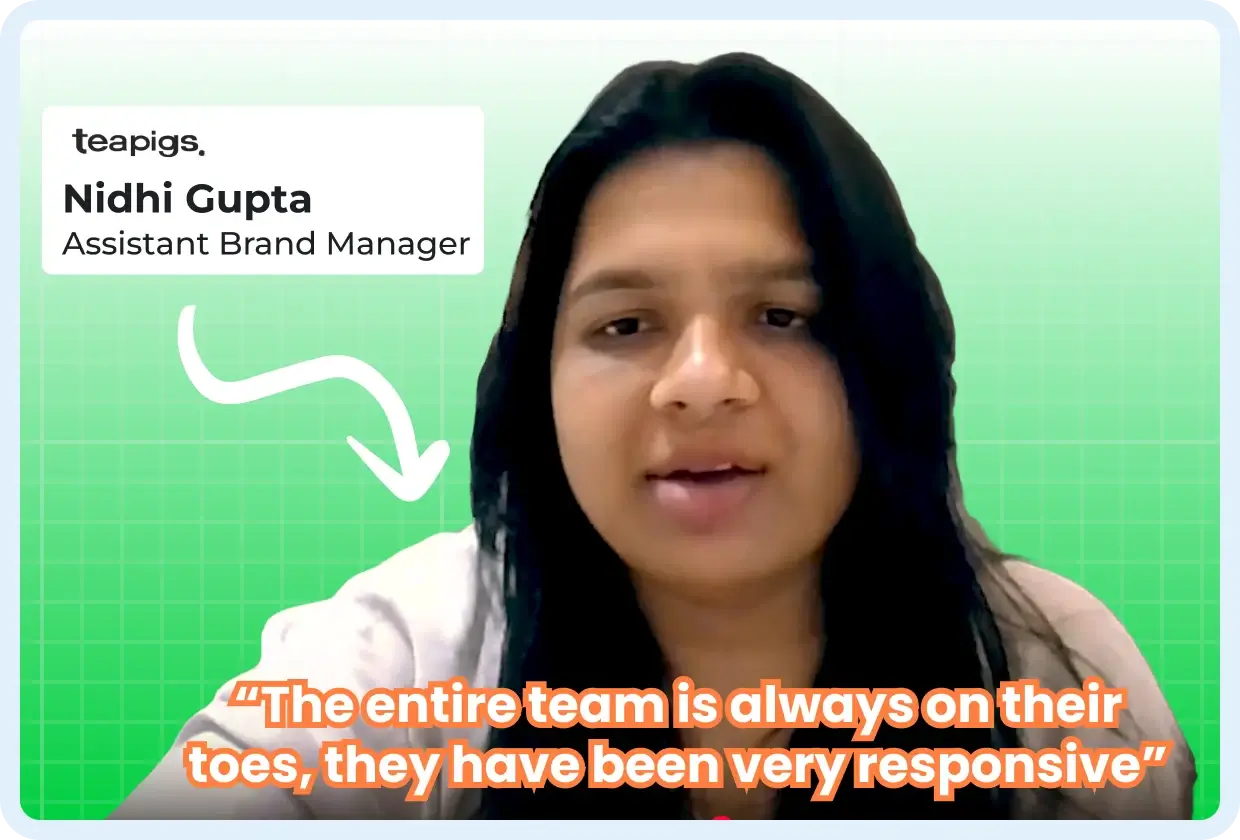
Testimonials
Why Us?

We give you a competitive advantage with our proprietary Infigrowth platform. It not only helps us identify new opportunities and content gaps, but also forecasts trends, automates technical SEO workflows, and optimizes your site for growth from the very first day.

You can be assured that you’re working with a recognized SEO agency, one that has won numerous awards for excellence over the years. We have won awards for countless successful campaigns across industries and for big names spanning diverse industries.
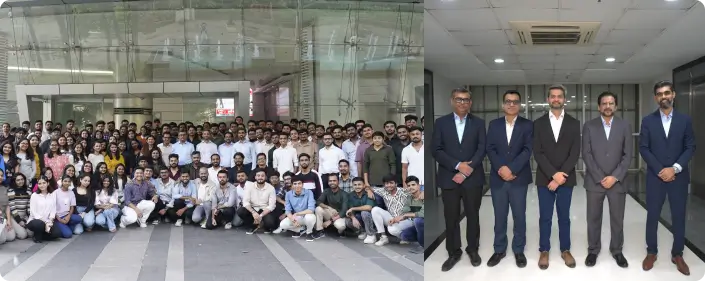
Our vast team of 150+ SEO specialists is a testament to our range of skills and expertise. We cover the entire range of Webflow and other website development, in tandem with SEO. You name it, and we have it! That’s the beauty of our vast team, which makes sure that you get tangible and measurable results from day one.

At Infidigit, all our growth strategies are strongly data-backed, meaning that there is no place for assumptions or guesswork. Our webflow aesthetics combine with data-backed structures to enhance your conversion rates significantly. We believe in operating based on insights regarding your target audience, trends, keywords, and more.
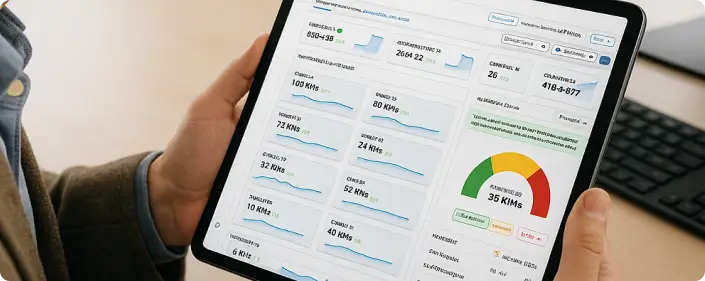
What does all this data analysis lead? Actionable SEO insights of course! SEO is indispensable for your website. You thus benefit from a build that is structured strategically to ensure actionable and clear data on search visibility, customer behavior, and more. This builds a culture of continuous monitoring and improvement.
Plans
Startups Business
Your Growth Toolkit
Small-Market Businesses, Competitive Niches
Your Growth Toolkit
Mid-Market Businesses, Competitive Niches
Your Growth Toolkit
Enterprise, Large E-commerce, Site Migrations
Your Growth Toolkit
Industry
Platforms


Solutions
Drive sustainable traffic and revenue growth
Optimize visibility across AI search engines
Future-proof search strategy with AI
Scale product visibility and online revenue
Turn visitors into measurable revenue growth
Increase app visibility and install growth
Dominate local search and nearby customers
Authoritative backlinks that boost search rankings
Scalable SEO solutions for large organizations
Build websites that improve engagement
Find and fix issues affecting search visibility
Drive organic growth with strategic content

Growth Manager - Superbalist
SEo Growth
From our LLM SEO service to cutting-edge webflow development, we help you ultimately build for stronger lead generation and CRO. Webflow sites can be designed intelligently to increase conversions, generate a higher number of leads, and also boost user engagement in turn. Some of the ways to do this include conversion-centric layouts where you have specific hierarchies to catch the user’s attention just where you want. At the same time, it also includes bolder value propositions, primary CTAs (calls to action) on top, sticky or persistent header menus, and floating navigation that stays visible while scrolling.
It also covers landing page optimization or LPO, where complex footer links and other distractions like secondary menus are eliminated. The goal is to funnel your traffic to a single preferred action. The webflow optimization can also extend to messaging, headlines, and CTAs for particular audience categories. Good CRO also depends on how frictionless you can make the buyer journey. This covers form optimization and micro-interactions (micro-animations that are purposeful and ensure real-time feedback or reassurance whenever users engage with your site). Another aspect is mobile responsiveness, since most traffic comes from mobile devices these days. Webflow will help tweak the CSS grid and rearrange content for tablet and mobile breakpoints. It will also enable touch-friendly UI and boost your website speed and performance (with clean-code architecture and visually outputting CSS, HTML, and JavaScript).
Other aspects include optimizing the Core Web Vitals, implementing built-in tools, such as responsive images and lazy loading. This will make your high-performing pages load instantly without any hassles. What you should also know is that CRO service is an ongoing loop instead of being a one-time thing. Webflow enables a data-powered approach towards continuous progress. This is done by seamlessly integrating third-party tools like Webflow Analyze, Google Analytics, and heatmapping platforms to find where your users are hesitant or dropping off. The in-built experimentation tools at Webflow can be used for testing diverse layouts, button colors, or headlines (A/B testing). This will help you scale the changes that generate sizable increases in conversions.
Webflow CMS helps companies/businesses to independently scale and manage content across visual and no-code interfaces. Through decoupling content from design, non-technical teams may easily edit and publish material of a dynamic nature, i.e., landing pages and blogs, without depending on developers. This will ensure more consistency and long-term search engine growth. Some of the advantages include customized content structures, easier content updates, support for case studies, blogs, landing pages, and resource hubs, along with the capabilities to support long-term content marketing and SEO growth.
Webflow offers a big advantage through its database-like Collections. This includes schema and fields (custom definitions by developers), dynamic templates, and a versatile content environment where you can build interconnected and diverse content hubs. Streamlined and no-code updates are another advantage, along with safe publishing. Every published collection item functions as an indexable landing page, helping scale SEO-optimized pages for diverse keywords.
AI tools

Growth Manager - Superbalist
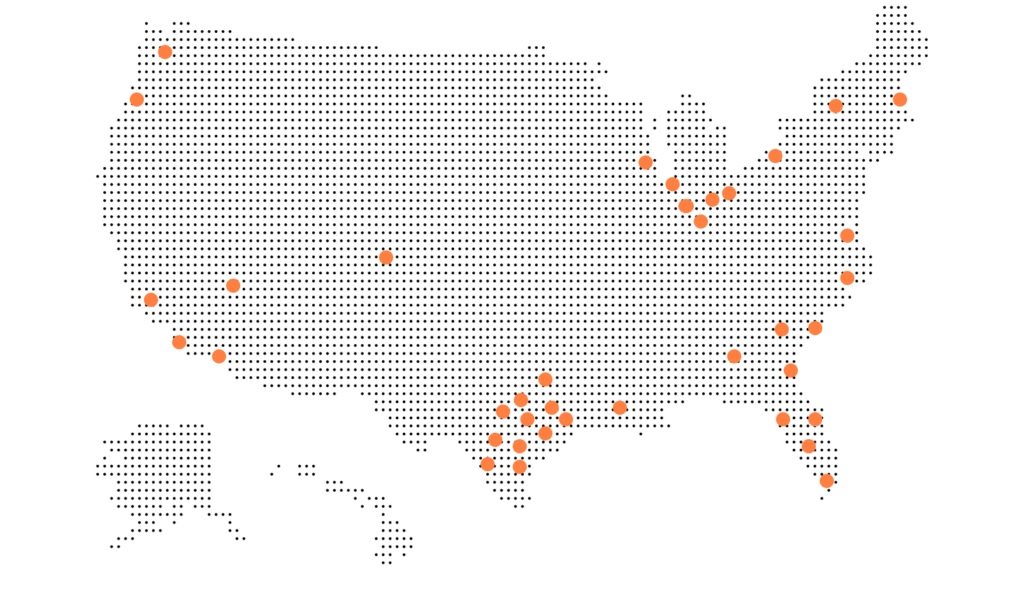
Locations
FAQ’s
Webflow development services cover front-end coding, custom design, SEO, and CMS setup, all through the Webflow visual development platform. These services convert the design into clean JavaScript, CSS3, and HTML5 and give the team a much more intuitive interface to update their content without writing any code.
The hourly rates of experienced Webflow developers in the US will vary. It all depends on the scope of the project, what type of project it is, what specific resources are needed, and how many hours it will take to complete the project.
Yes, Webflow is SEO-friendly as it has clean and semantic code and faster loading times via CDNs (content delivery networks). It also has in-built technical SEO controls that help to negate the requirement for third-party plugins. It is possible to natively manage descriptions, meta titles, redirects, alt-text, and sitemaps.
Webflow is a one-stop platform that handles front-end code, visual design, and completely managed hosting. WordPress, however, is open-source software that requires hosting and reliance on external plugins for security and core operational features. Webflow sites have a minimal maintenance burden, whereas WordPress requires regular updates.
Yes, it is possible to migrate your WordPress website to Webflow. However, the process will require exporting your content, primarily through CSV for the CMS, and visually reconstructing the theme in Webflow. It will also include mapping your 301 redirects to ensure that your SEO rankings remain intact.
Yes, Webflow has a scalable, robust, and completely integrated CMS (content management system) that can handle thousands of pages seamlessly. It is suitable for stronger content-based operations such as job boards, blogs, and even real estate listings.
Yes, you can connect Webflow with analytics programs and CRM. Webflow integrates natively with several SaaS tools, including Mailchimp, HubSpot, and Google Analytics. There are also services to help you link Webflow with almost every third-party app that you want.
The build timelines will naturally depend on the project scope, level of complexity, the resources needed, and so on. The basic build for a few pages will take about 1-2 weeks on average, while a regular professional site may take anywhere from 3-6 weeks or more. Complex builds or e-commerce platforms will take 6-10 weeks or even more on average.